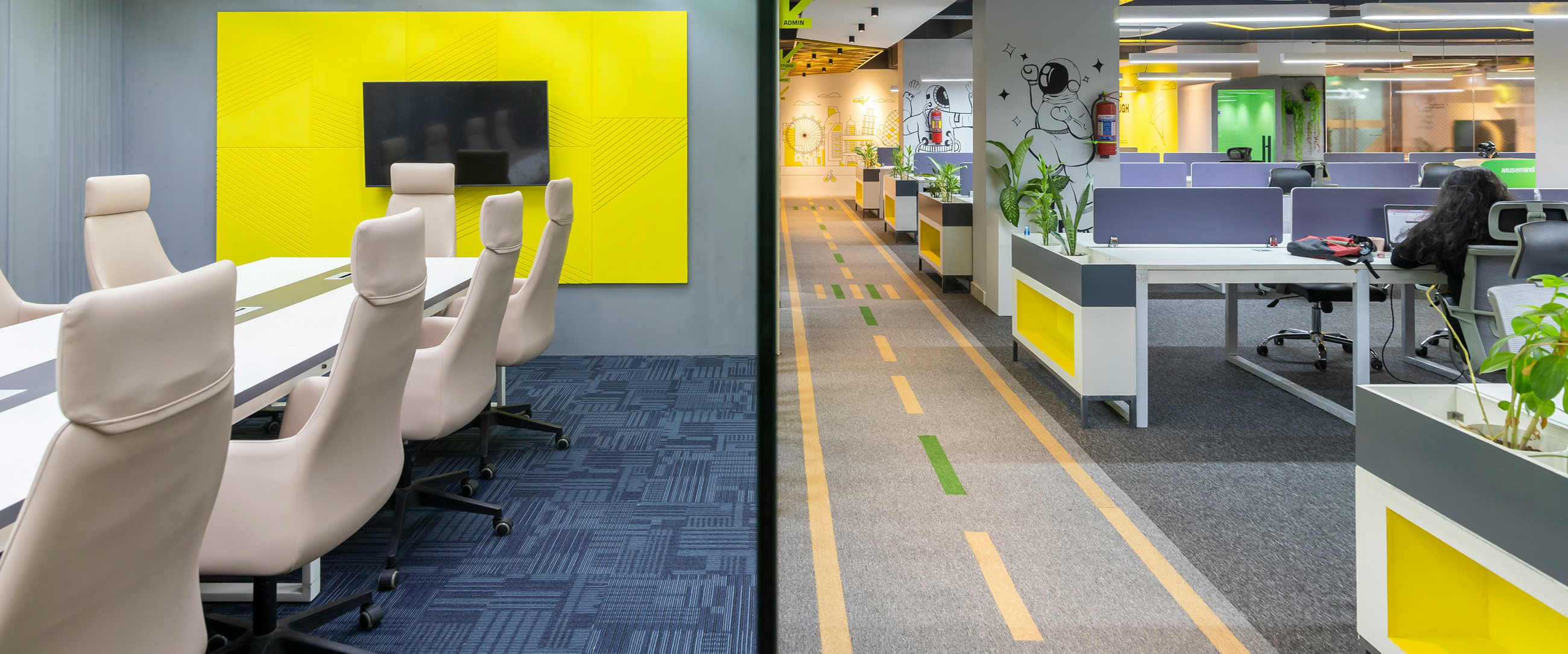
Workplace Design
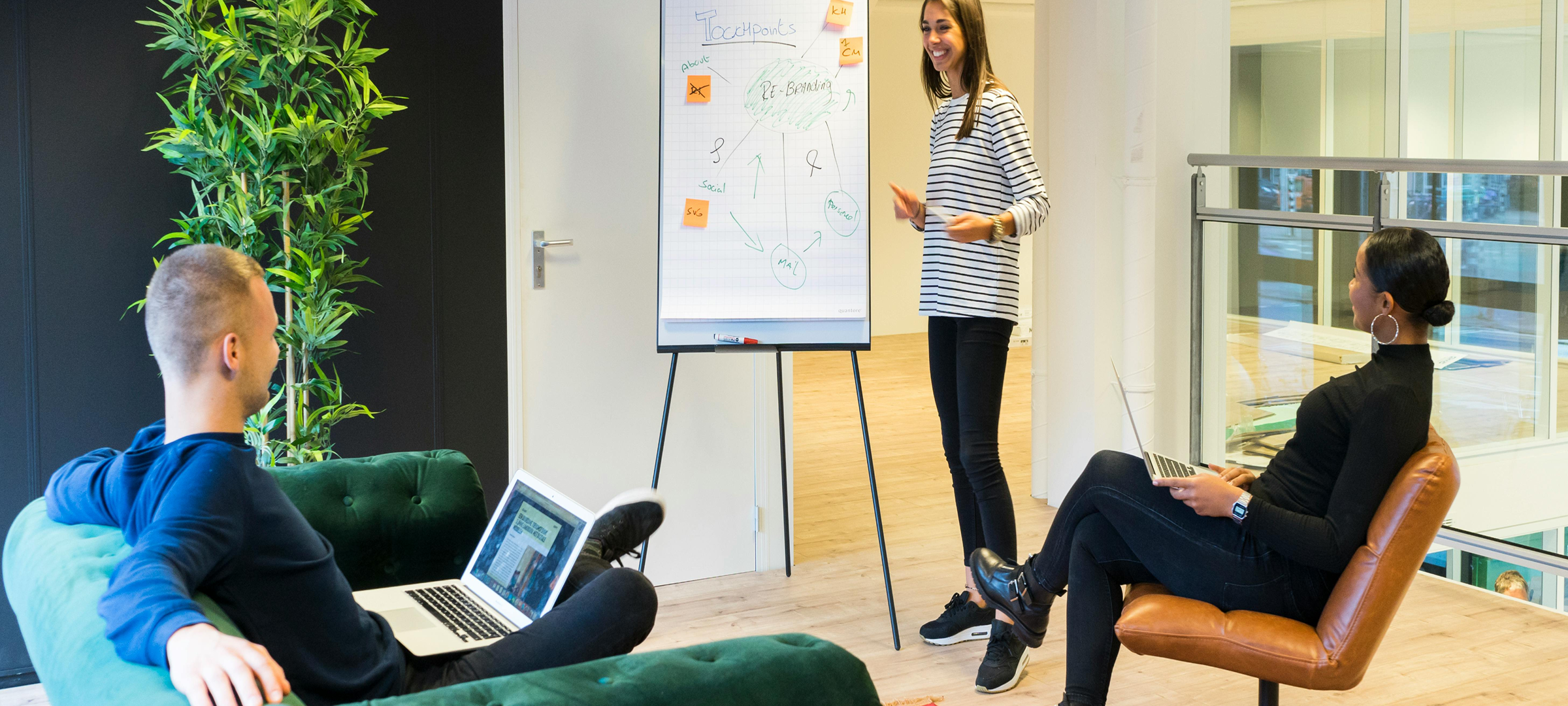
Workplace Design
The workplace is evolving faster than ever. With hybrid work, employee wellbeing, and technology reshaping how we collaborate, the office of 2026 is no longer just a place to work—it’s an environment designed to inspire, support, and connect people.
According to Director Phillip Wyatt and the Inhouse design studio team, offices today must balance flexibility, productivity, and human-centered design, creating spaces that work as hard as the people who use them.
Here’s how forward-thinking companies are designing offices for 2026.
Embracing Nature for Better Wellbeing
Bringing the outdoors inside is more than a trend—it’s a strategy. Offices are incorporating plants, natural light, timber, and stone finishes to create environments that reduce stress, improve air quality, and boost focus. Wyatt notes:
“Spaces that feel alive and connected to nature aren’t just beautiful—they actively improve the wellbeing of employees every day.”
Flexibility at the Core
Rigid floor plans are out. Modular furniture, movable partitions, and multi-purpose areas allow offices to adapt to different work styles and hybrid schedules. Collaboration zones, focus pods, and quiet corners can all shift as teams’ needs change, ensuring every space is functional, no matter the day.
Quiet Spaces for Focus and Recovery
After years of open-plan offices, there’s a renewed emphasis on quiet, restorative areas. Acoustic pods, semi-private workstations, and wellness corners help employees concentrate, recharge, and return to collaborative work feeling refreshed.
Comfort Meets Function: The Resimmercial Trend
The office is becoming more warm, tactile, and inviting. Blending residential comfort with commercial durability, spaces now feature soft textures, warmer colors, and furniture designed for both style and ergonomics. It’s about making employees feel at home while at work.
Technology That Supports, Not Distracts
Smart offices are here to stay, but the best designs make tech seamless and invisible. From AI-controlled lighting and temperature to predictive room layouts and data-driven space optimization, the goal is to enhance productivity without overwhelming people.
Sustainability as a Standard
Sustainability is no longer optional. Wyatt’s team prioritizes recycled materials, low-VOC finishes, and energy-efficient systems. In 2026, environmentally responsible design isn’t just for appearances—it’s embedded into how offices function and perform.
Inclusive Design for Everyone
The office must work for all employees. Adjustable lighting, sensory-friendly zones, diverse seating options, and accessible layouts ensure that everyone can thrive, no matter their needs or work style.
Creating a Human-Centered Office
Ultimately, the office of 2026 is about people first. By integrating nature, flexibility, technology, and inclusivity, organisations can create workplaces that inspire creativity, improve wellbeing, and foster collaboration. As Wyatt puts it:
“The best offices are those that support the full spectrum of human experience—where people want to be, not just where they have to be.”
In 2026, offices are no longer just functional spaces—they’re ecosystems designed for people, performance, and purpose. With the right design strategy, companies can create environments that energize employees, strengthen culture, and adapt to whatever the future of work brings.
Workplace Design
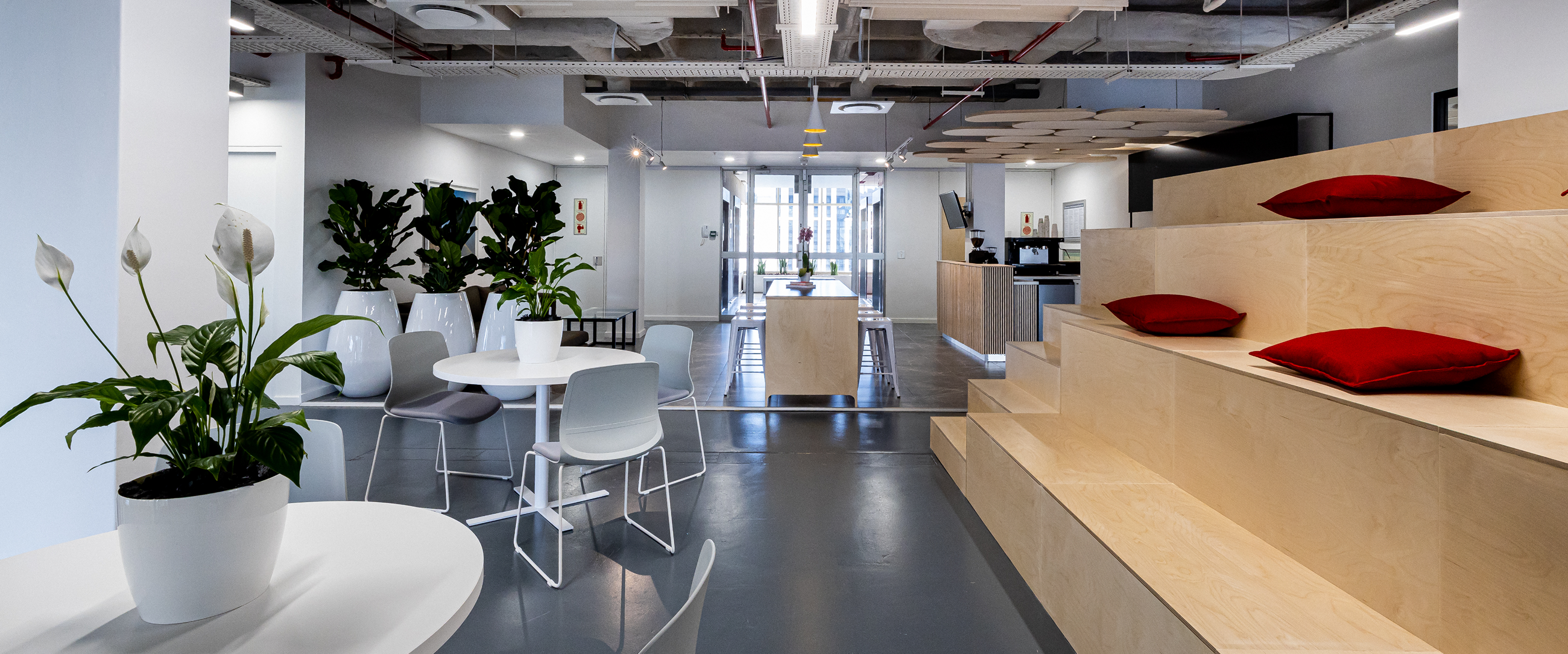
Workplace Design
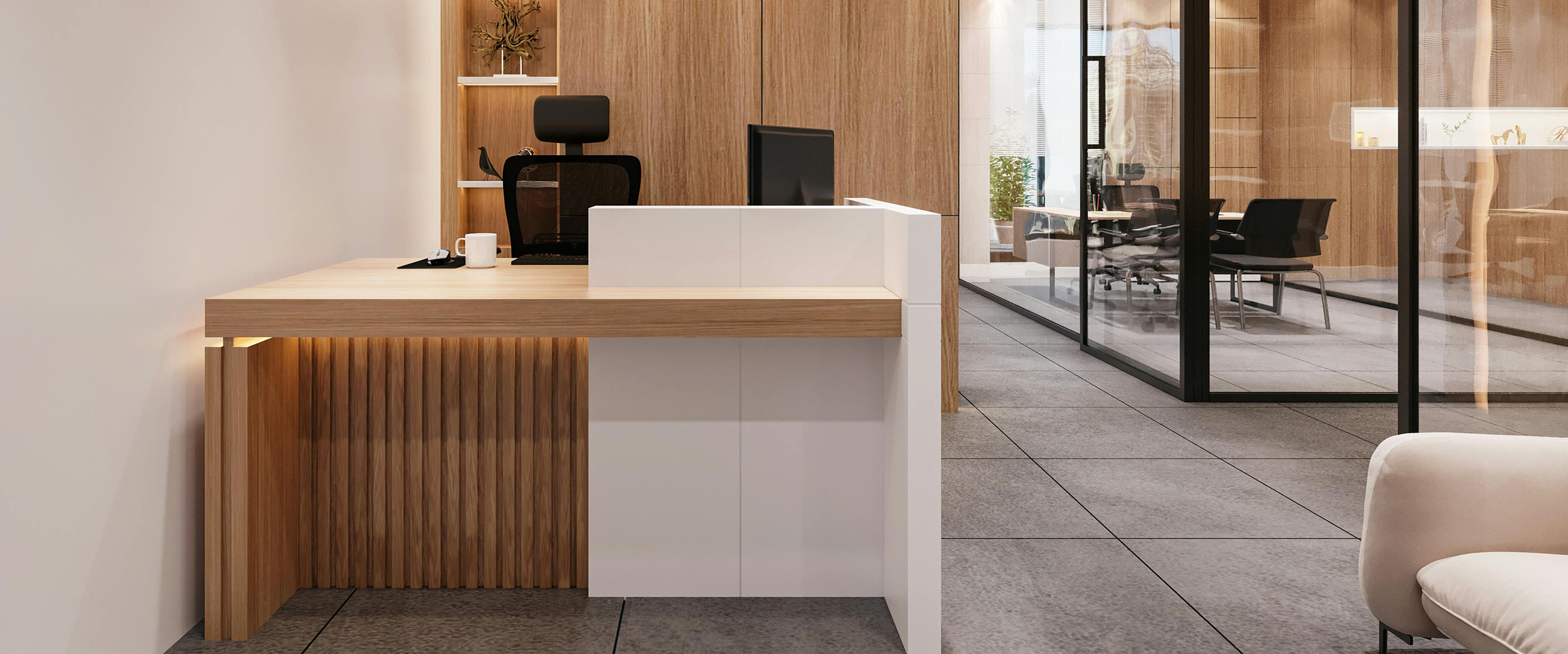
Workplace Design