Workplace Design
Workplace Design
In modern workplace design, materials do far more than define the look and feel of an office. When used strategically, they guide behaviour, influence wellbeing, support productivity, and reinforce business objectives. Material selection has become a key component of workplace strategy and office design strategy, shaping how people experience and interact with space.
At Inhouse Design Studio, we view materials as a strategic tool — one that helps align physical environments with organisational goals while enhancing the employee experience.
Materials as a Workplace Strategy Tool
Every surface in an office sends a message. Hard, reflective materials encourage movement and energy, while softer, tactile finishes promote comfort and focus. Understanding this allows designers to use materials intentionally to support different modes of work.
“Materials are one of the most powerful ways to subtly influence how a space is used. They help define zones, control acoustics, and set the emotional tone of the workplace — all without adding physical barriers,” says Chris Charlton, Creative Director at Inhouse Design Studio who specialise in corporate interior design.
This approach ensures material choices actively support aligning space with business goals, rather than simply decorating a floorplate.
Using Materials to Define Zones and Function
Different areas of an office demand different material responses. Zoning through material variation is a core principle of effective office design strategy.
Examples include:
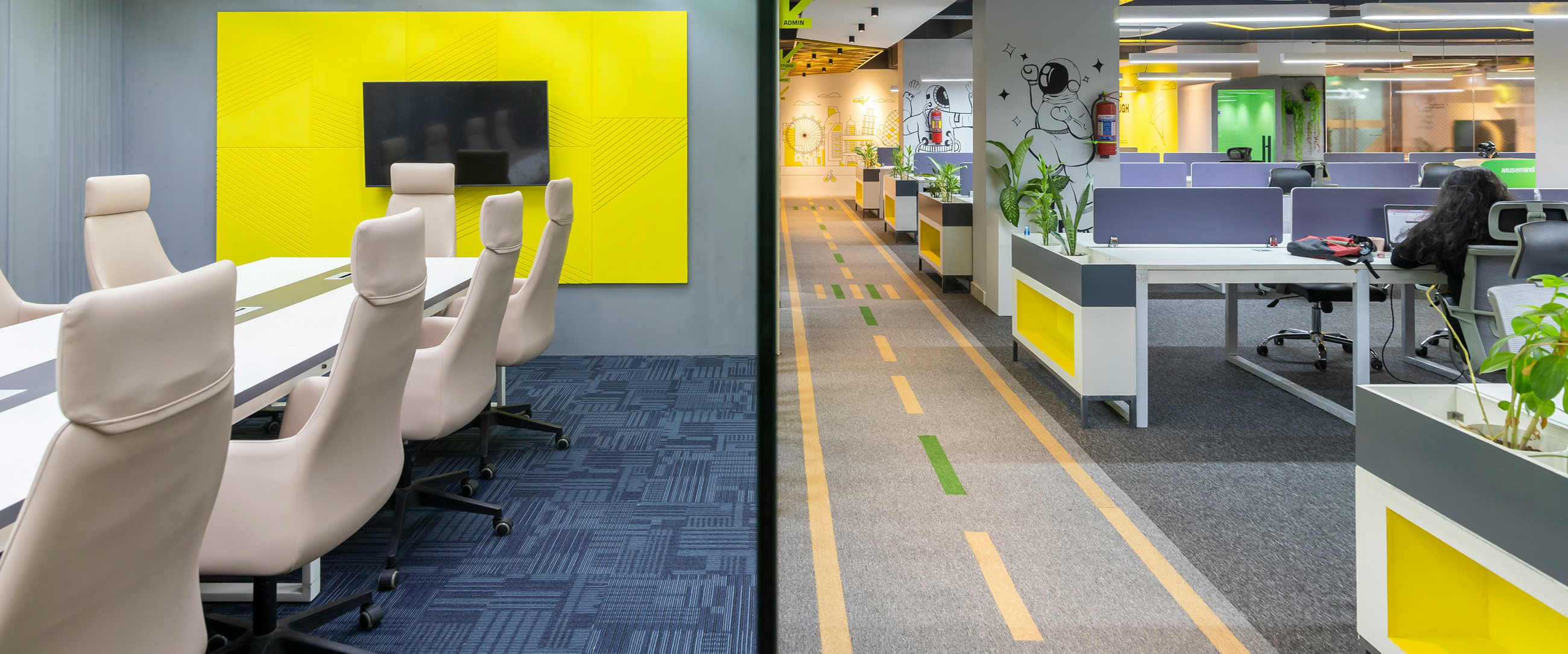
Hard-wearing flooring in circulation routes to support durability and movement
Soft finishes and acoustic panels in focus areas to reduce noise and distractions
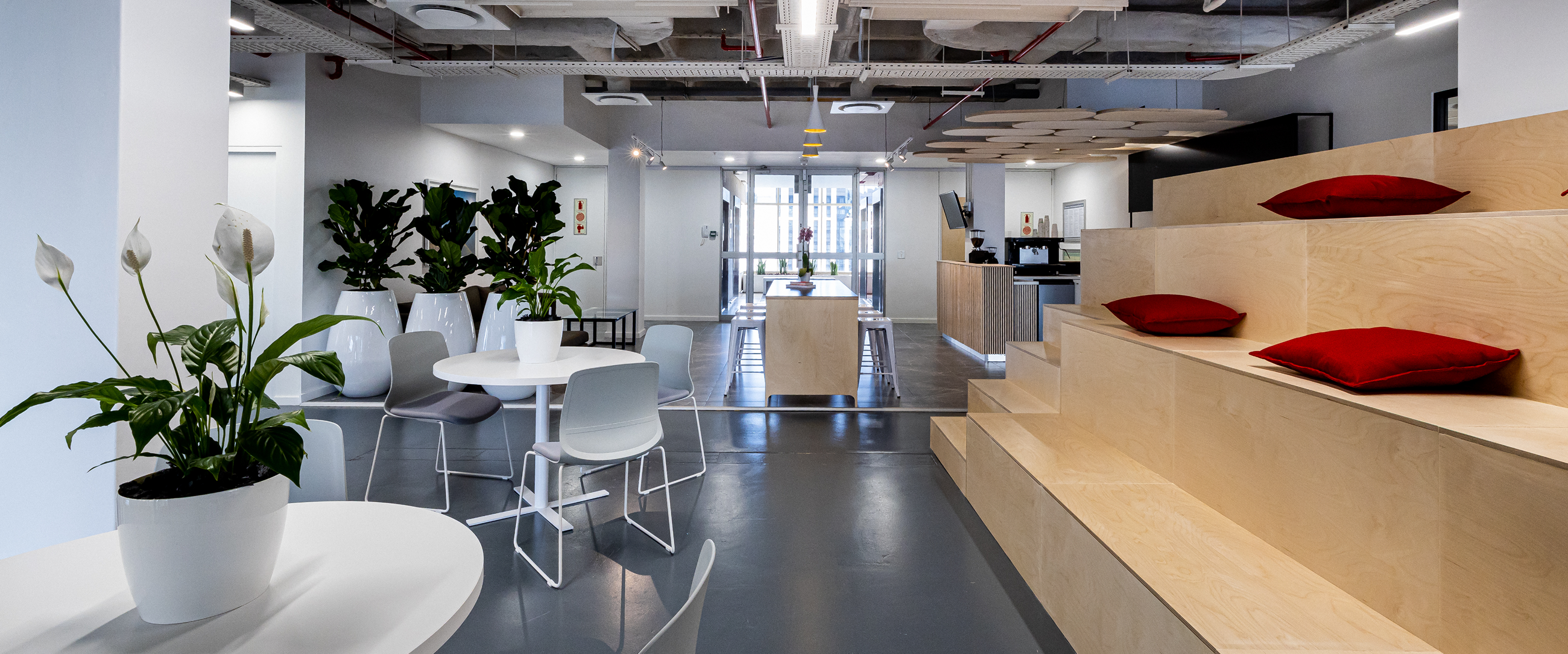
Warm textures and textiles in breakout spaces to encourage connection and informal collaboration
This layered material approach improves clarity, flow, and overall workplace experience.
Supporting Employee Experience Through Sensory Design
Materiality plays a significant role in office design and wellbeing. Texture, temperature, and sound absorption all influence how employees feel within a space.
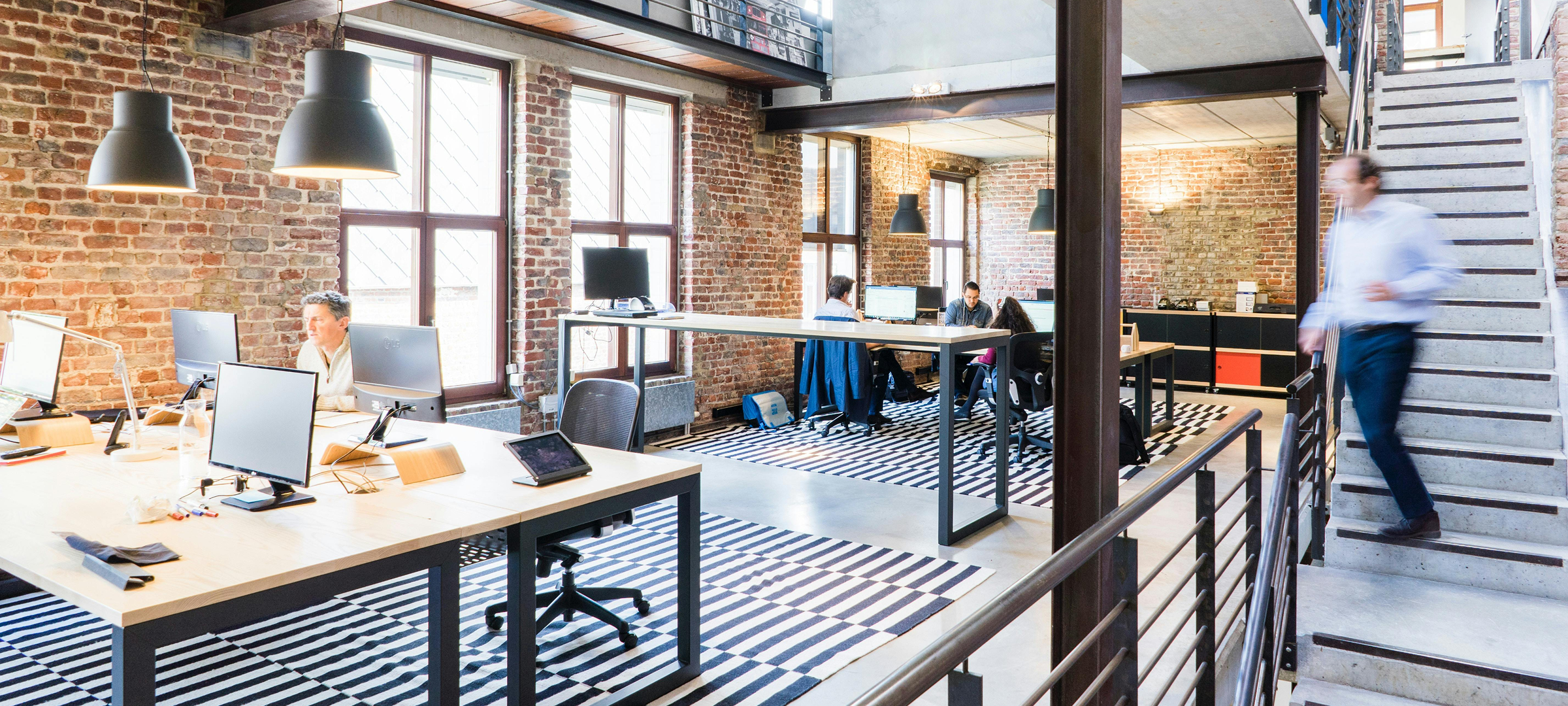
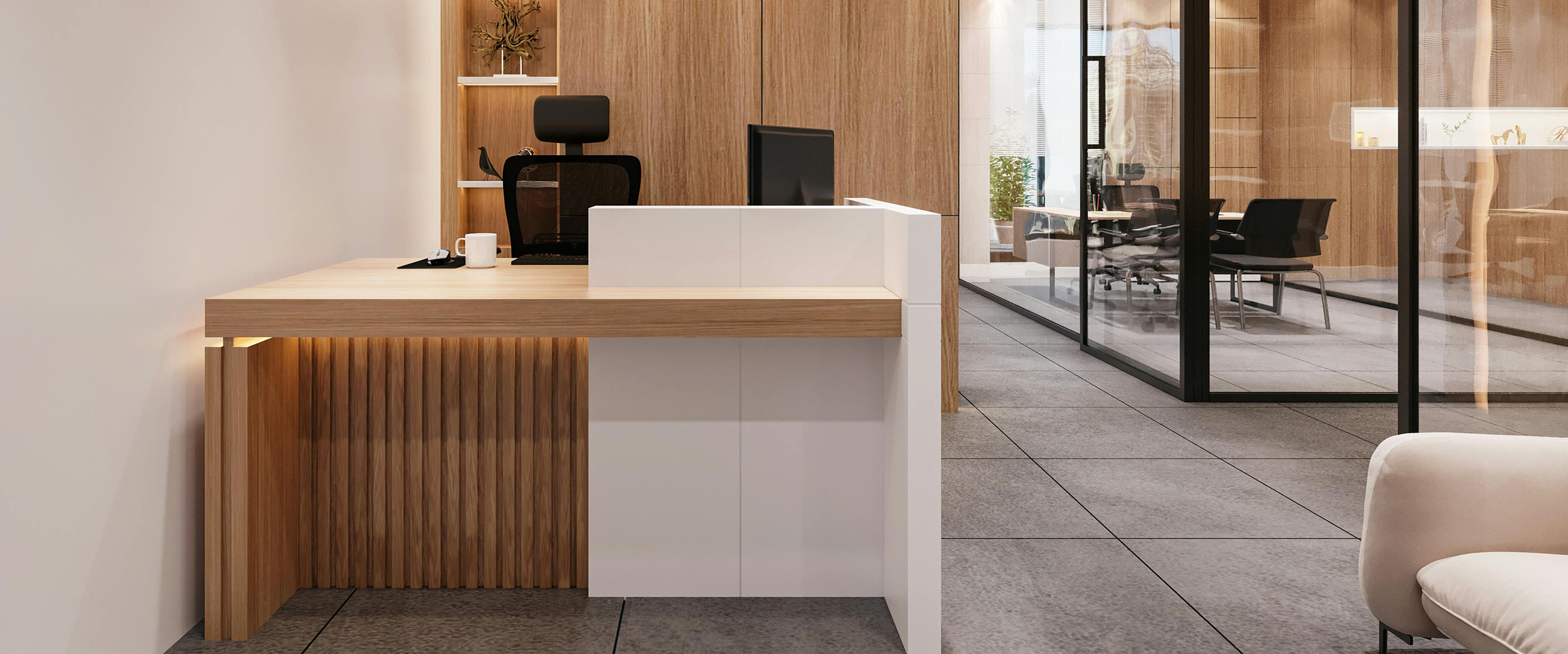
Natural materials such as timber, cork, and stone-inspired finishes introduce warmth and calm, while low-VOC paints and breathable textiles support indoor air quality. These choices create environments that feel healthier, more comfortable, and more human.
When people feel physically and emotionally supported, employee engagement naturally increases.
Materials That Encourage Collaboration and Engagement
In collaborative zones, materials can be used to signal openness and energy. Writable wall surfaces, durable upholstery, and flexible joinery encourage interaction without formalising it.
For designing for employee engagement, these material choices help remove barriers to communication and create spaces that feel inviting rather than restrictive.
Aligning Material Choices With Brand and Business Goals
Materials are a subtle but powerful extension of brand identity. Whether a business is corporate, creative, or culture-driven, finishes can reinforce values such as transparency, innovation, or stability.
“When material selection aligns with a company’s culture and business goals, the office becomes a physical expression of who they are — not just where they work,” adds Charlton.
This alignment ensures that design decisions support both people and performance.
Durability, Maintenance, and Long-Term Value
From a strategic perspective, material selection must also consider lifecycle costs. Commercial-grade materials that age well, clean easily, and can be repaired or replaced in sections contribute to long-term efficiency and sustainability.
This balance between aesthetics and performance is essential to any successful workplace strategy.
Designing Offices That Work on Every Level
Different uses of materials in an office space are not about trends — they are about intention. At Inhouse Design Studio, our approach to materiality supports office design strategy, enhances employee experience, and ensures workplaces are aligned with long-term business objectives.
Based in Cape Town, we design interior office environments that are thoughtful, resilient, and people focused.
When materials are chosen with purpose, spaces work harder — for people and for business.
Workplace Design
Workplace Design
Workplace Design