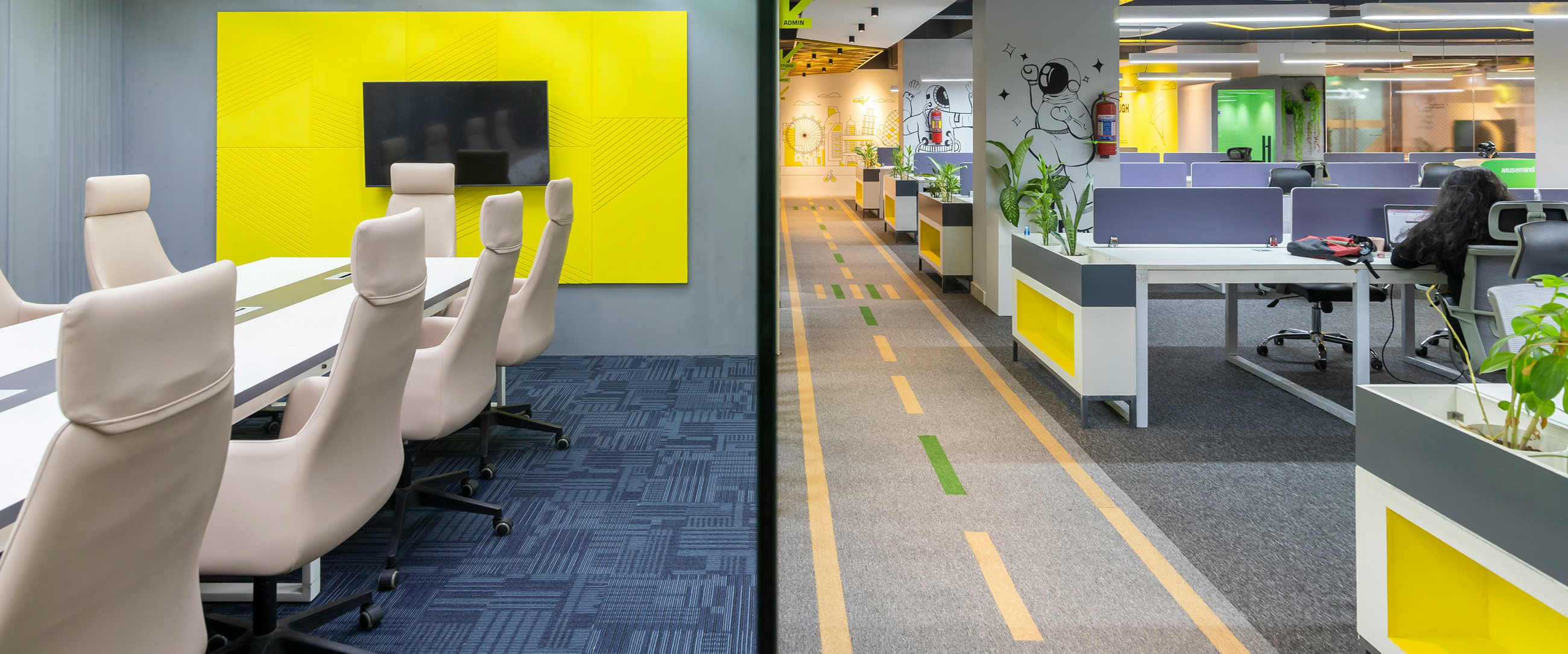
Workplace Design
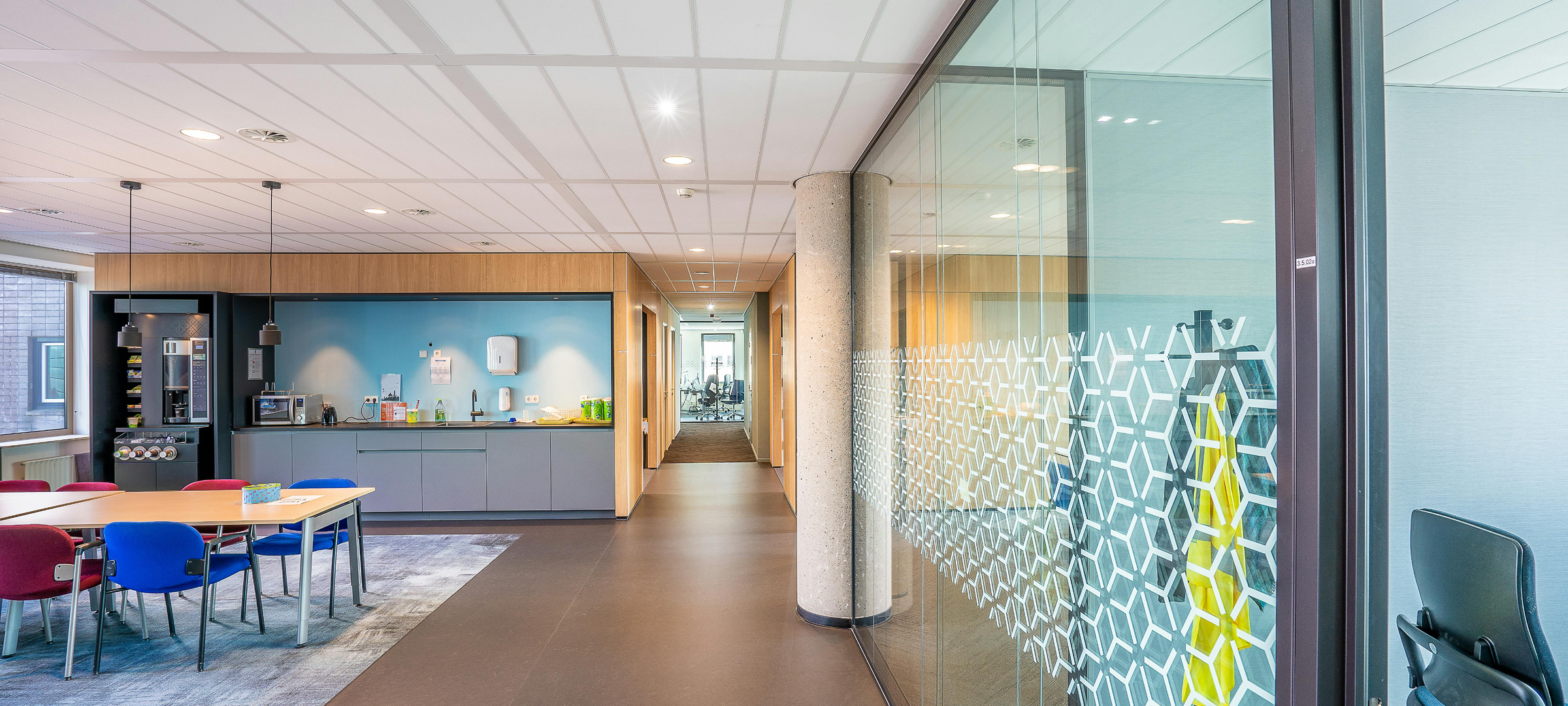
Workplace Design
Material selection plays a critical role in commercial interior design. Beyond aesthetics, materials influence durability, maintenance, comfort, and overall workplace performance. In high-use environments such as offices, choosing finishes that are both stylish and resilient is essential to creating spaces that stand the test of time.
“Material selection is one of the most overlooked yet impactful decisions in commercial interior design. It’s not just about how a space looks on day one, but how it performs over time — supporting the workplace experience, employee wellbeing, and the realities of daily use,” says Philliph Wyatt, Director of Inhouse Design Studio, Cape Town.
Understand the Demands of Commercial Spaces
Commercial interiors experience significantly more wear and tear than residential environments. Before selecting materials, it’s important to assess how each area of the workspace will be used.
Key considerations include:
Foot traffic levels
Frequency of cleaning and maintenance
Exposure to sunlight, moisture, or noise
Health and safety requirements
Matching materials to usage ensures longevity without compromising design intent.
Balance Aesthetics With Performance
Stylish design should never come at the cost of functionality. High-performance commercial materials are now available in a wide range of textures, colours, and finishes — allowing design-led spaces to remain practical.
Examples include:
Luxury vinyl tile (LVT) that mimics timber or stone while offering durability
High-pressure laminates for joinery and work surfaces
Porcelain tiles for high-traffic and wet areas
This balance enhances both visual appeal and the daily workplace experience.
Prioritise Materials That Support Wellbeing
Office design and wellbeing are directly influenced by material choices. Acoustic comfort, indoor air quality, and tactile experience all contribute to how people feel within a space
Wellbeing-focused materials include:
Acoustic panels and soft finishes to reduce noise
Low-VOC paints, adhesives, and sealants
Natural or nature-inspired textures that create warmth
These choices support focus, comfort, and long-term employee satisfaction.
Design for Maintenance and Longevity
Durable materials reduce replacement costs and ongoing maintenance — a key consideration in commercial interiors. Selecting finishes that are easy to clean, and repair helps preserve the workspace without frequent disruption.
Look for:
Stain-resistant upholstery
Scratch-resistant surfaces
Modular systems that allow partial replacement
This approach ensures interiors remain polished and functional over time.
Use Materials to Reinforce Brand and Culture
Materials play a subtle but powerful role in communicating brand identity. From timber tones to metal accents and textiles, finishes can reflect company values and workplace culture.
For designing for employee engagement, materials should create environments that feel authentic, comfortable, and aligned with the organisation’s ethos — whether that’s corporate, creative, or collaborative.
Choose Sustainable and Responsible Materials
Sustainability is increasingly important in commercial design. Responsible material choices contribute to environmental performance while also supporting employee wellbeing.
Sustainable considerations include:
Recycled or recyclable materials
Locally sourced products where possible
Long-life materials that reduce waste
In Cape Town and across South Africa, sustainable commercial interiors are becoming a key differentiator for forward-thinking businesses.
Designing Commercial Interiors That Last
Selecting the right materials is about more than durability or style — it’s about creating commercial interiors that perform. At Inhouse Design Studio, we curate material palettes that balance aesthetics, functionality, and wellbeing, resulting in workplaces that are resilient, refined, and human-centred.
Based in Cape Town, we specialise in interior office and commercial design that supports people and business outcomes.
Well-chosen materials don’t just last longer — they create better places to work.
Workplace Design
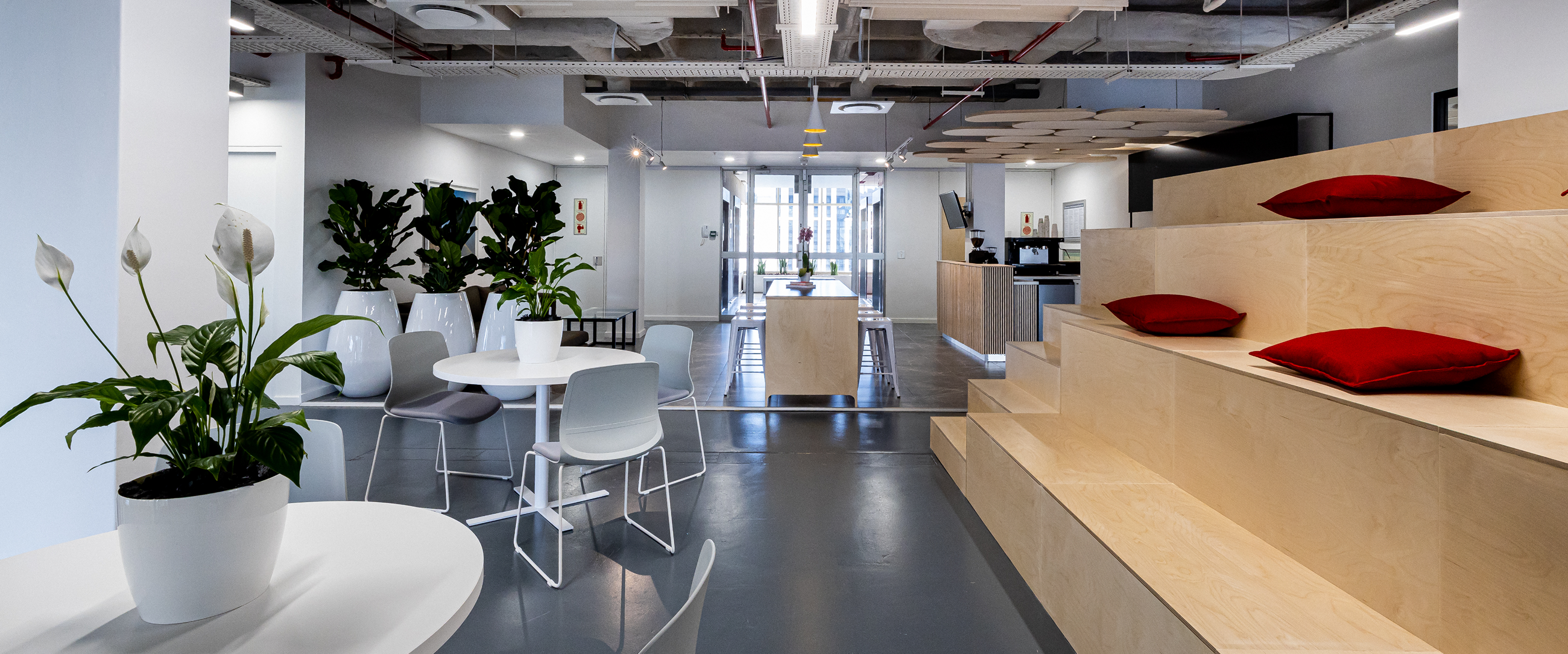
Workplace Design
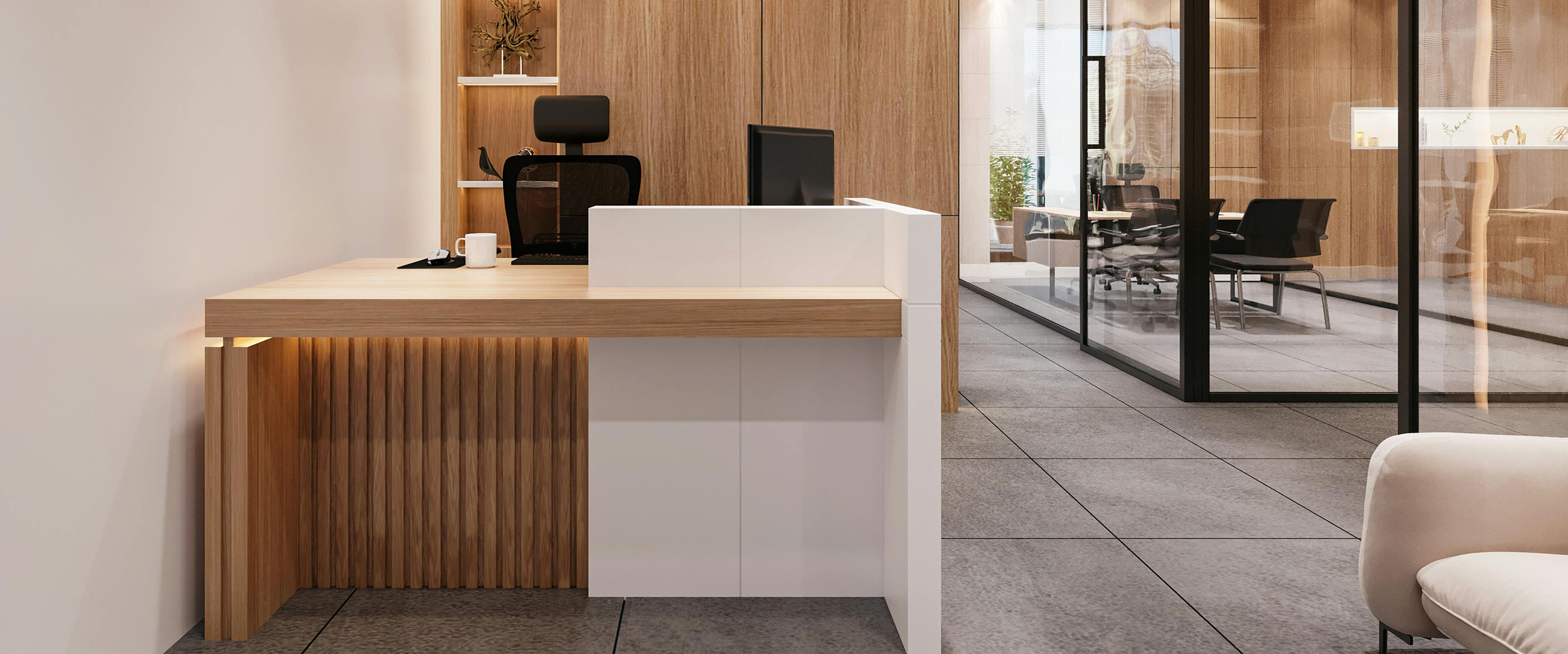
Workplace Design