Design Tips
Design Tips
In today’s hyper-connected world, a meal is rarely just a meal. It’s a story, a snapshot, a status update. Before the first bite is even taken, a phone is often raised, capturing the ambiance, the décor, and the artfully plated dish. For restaurants, particularly in a vibrant and competitive culinary hub like Cape Town, this cultural shift has transformed interior design from a background element into a leading character. The concept of an “Instagrammable” space is no longer a frivolous afterthought; it is a powerful business strategy, and a key ingredient in the recipe for success.
At Inhouse Design Studio, we’ve seen this evolution firsthand. The power of a visually stunning, shareable space to attract patrons and build a brand is undeniable. Statistics reveal that an incredible 99% of Gen Z and Millennial diners use social media to discover new dining destinations. [1] “The decision to visit a restaurant is now heavily influenced by its digital footprint,” says Aidan Hart, Managing Director of Inhouse. “The interior is one of the first things a potential guest sees online. If you can captivate them with the design before they’ve even seen a menu, you’ve already won half the battle.”
Beyond the Plate: Designing a Shareable Narrative
The most successful restaurant designs understand that they are creating more than just a place to eat; they are building a world. It’s about crafting a multi-sensory experience that begins the moment a guest walks in and lingers long after they’ve left—and shared their experience online. This requires a design philosophy that prioritizes storytelling and emotional connection.
“Our process is deeply collaborative. We work to understand the restaurateur’s vision, the chef’s culinary philosophy, and the story they want to tell. The design then becomes the stage for that story, a physical narrative that guests can step into and become a part of.” - Phillip Wyatt, Project Director
This narrative-driven approach is what separates a merely beautiful room from a truly memorable one. It’s about creating an environment so compelling that guests feel an innate desire to capture and share it, becoming organic brand ambassadors in the process. This user-generated content is profoundly impactful, with consumers finding it nearly ten times more influential than content from paid influencers.
Crafting the “Wow” Factor: A Feast for the Senses
So, how does one design a space that wows? It’s a holistic process that engages all the senses and is built on a foundation of authentic, strategic design choices.
It begins with creating a multisensory experience. The trend for 2026 and beyond is moving past purely visual aesthetics to engage touch, sound, and even scent. The tactile quality of a rough-hewn wooden table, the soft texture of a velvet banquette, the gentle acoustics that allow for intimate conversation, and a subtle, signature aroma all combine to form a powerful, subconscious impression of the space.
This experience is anchored by a strong sense of local identity and authenticity. In an era of global standardization, diners crave uniqueness. A design that incorporates local culture, history, and regional materials tells a story and creates an emotional context that cannot be replicated. This could manifest as original bas-reliefs by Cape Town artists, furniture crafted from indigenous wood, or a color palette that reflects the nearby Atlantic Ocean.
Of course, the visual “wow” often comes from statement art objects and installations. Handcrafted sculptures, dramatic murals, or unique lighting fixtures become natural focal points for photos. These elements create a unique visual signature for the restaurant, making it instantly recognizable in a social media feed. Natural motifs—incorporating wood, minerals, and living forms like indoor plants—are particularly effective, adding a photogenic and calming quality to the interior.
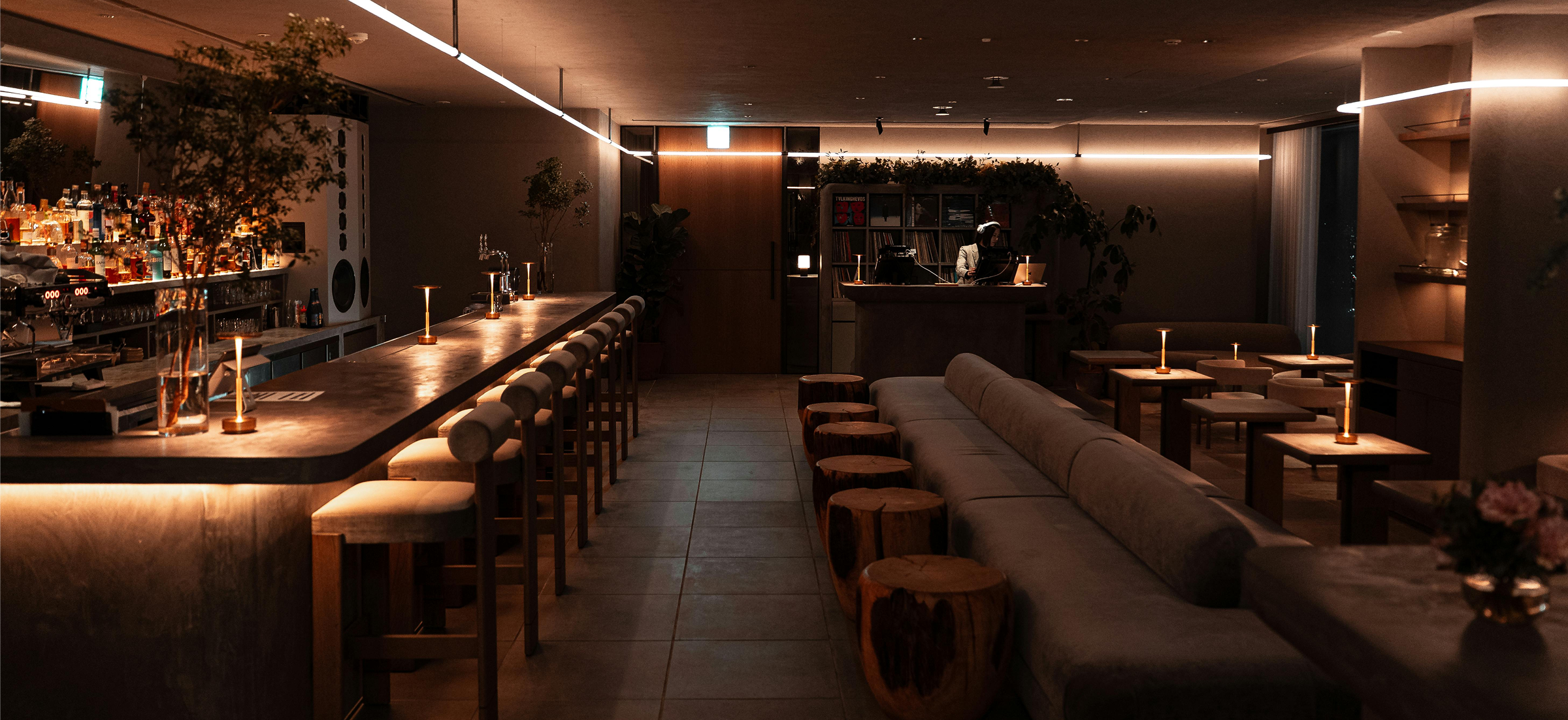
Lighting is perhaps the most critical tool in shaping this visual narrative. A multi-level lighting strategy creates an emotional rhythm, with a flexible atmosphere that can change from a bright, airy brunch spot to a moody, intimate dinner setting. Soft background lighting, combined with directional accents on tables and art, ensures that both the space and the guests look their best—a crucial detail for any photo.
Good Design is Good Business
Investing in high-quality, Instagrammable design is not an indulgence; it’s a direct driver of revenue. A compelling social media presence has been shown to increase customer spending by up to 40%, and 22% of diners will revisit a restaurant specifically because of its engaging online persona. By creating a space that is not only beautiful but also strategically designed for sharing, restaurants can harness the immense power of social media, turning every guest with a smartphone into a potential marketer.
In the dynamic world of hospitality design, the restaurants that thrive are those that understand the intricate dance between the culinary and the visual, the experiential and the digital. Inhouse Design Studio is dedicated to leading this dance, creating bespoke design solutions that are not only breathtakingly beautiful but also brilliantly effective.
References
[1] “Beyond the Plate - How Social Media is Reshaping Restaurant Design and Dining.” Social F+B. https://socialfb.com/post-beyond-the-plate/ [2] “Campaign of the Week: Hilton – Waiters’ Smartphone Photography.” Contagious. https://www.contagious.com/news-and-views/campaign-of-the-week-hilton-waiters-smartphone-photography [3] “Restaurant Interiors — current trends in commercial design for 2026 by Studia 54.” Studia-54. https://studia-54.com/en/blog/article/restaurant-interiors-2026-trends-from-studia-54