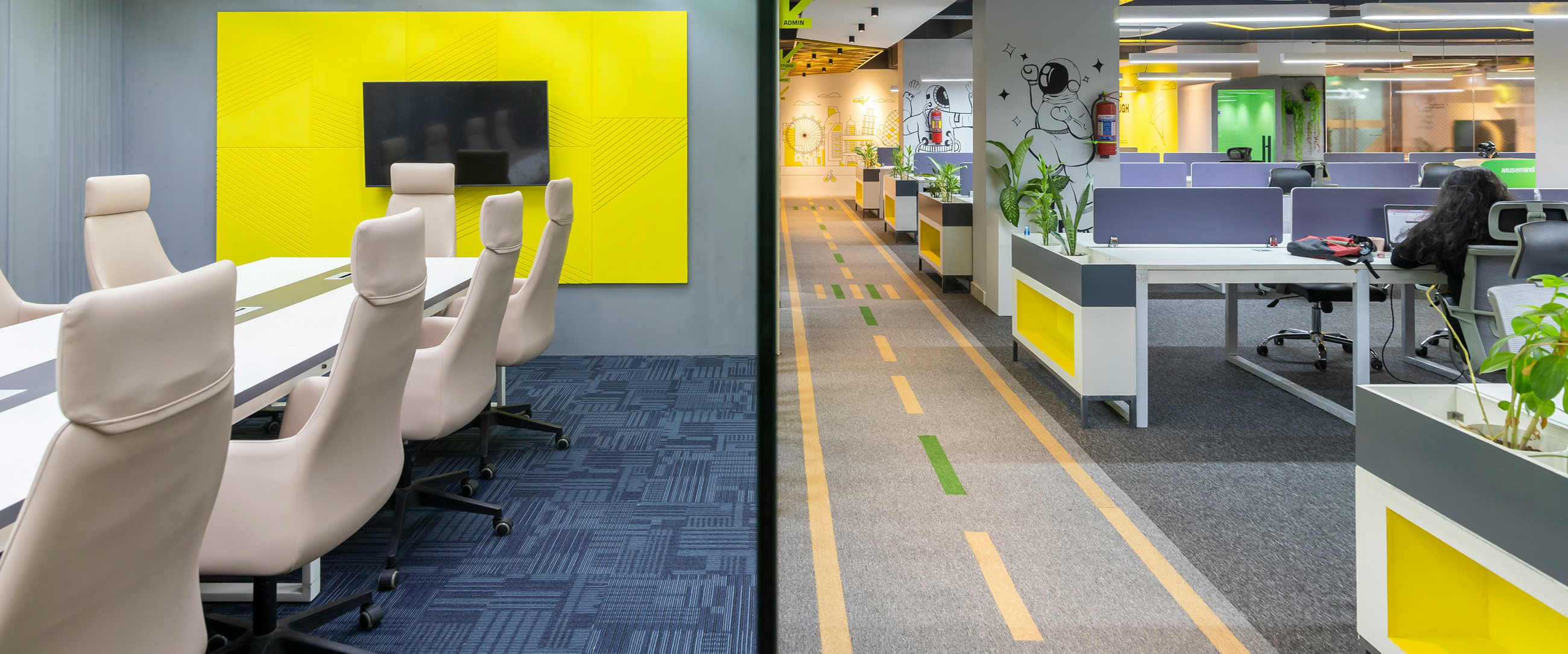
Workplace Design
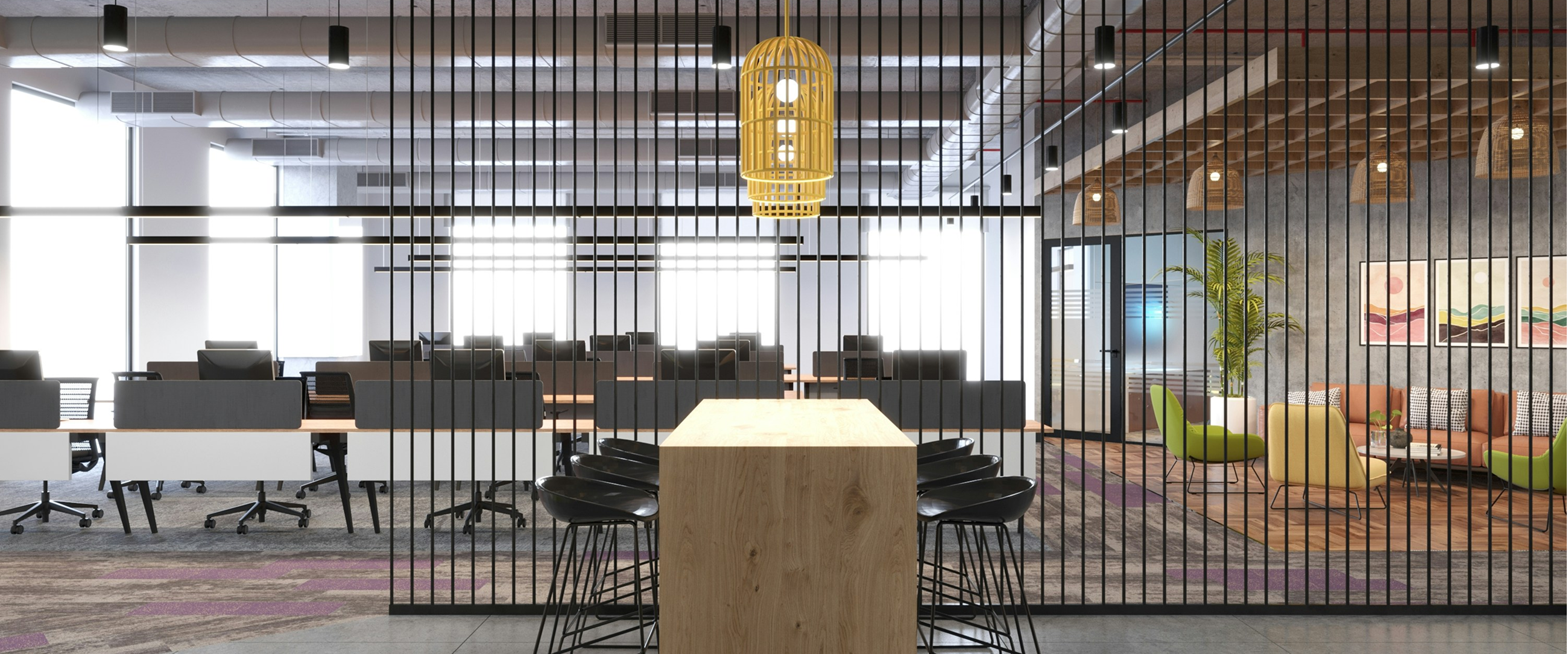
Workplace Design
An office renovation is one of the most critical investments a business can make. It is a strategic undertaking that goes far beyond aesthetics, directly influencing performance, workplace wellness, and long-term adaptability. When a workspace no longer serves the dynamic needs of its teams, a thoughtful renovation can unlock potential, enhance productivity, and powerfully express a brand’s purpose and professionalism. For businesses in the bustling economic hubs of Cape Town and Johannesburg, and indeed across South Africa, a well-executed renovation is key to maintaining a competitive edge. At Inhouse Design Studio, our extensive international experience has shown that a successful renovation hinges on a deep understanding of how a space is currently used, meticulous planning to ensure business continuity, and the integration of future-ready design principles. This is how we transform workspaces into strategic assets.
1. The Strategic Blueprint: Defining the “Why” Behind Your Renovation
Before a single wall is touched, the most crucial step is to define the core purpose of the renovation. A successful office interior design project is always guided by clear, strategic objectives. Is the goal to accommodate a growing team, foster a more collaborative culture, seamlessly integrate a hybrid work model, or eliminate critical inefficiencies in the current layout? Without this foundational “why,” a renovation can become a series of unfocused and costly reactions. This initial phase involves a deep-dive assessment of your organisational goals and operational needs. By analysing how your teams currently interact with the space, identifying bottlenecks, and pinpointing underutilised areas, we can gather the insights needed to ensure every design decision delivers maximum impact and aligns with your long-term vision.
2. The Right Scale: Renovate, Expand, or a Hybrid Approach?
Growth doesn’t always demand a larger footprint. Often, the most intelligent solution lies in reconfiguring an existing layout. Strategic workspace design can unlock vast untapped potential, improving flow and capacity without the expense and disruption of expansion. A renovation-first mindset allows businesses to make significant, cost-effective improvements that address operational pain points and create a modern, highly functional environment.In other cases, a business has truly outgrown its physical boundaries. Here, a combined approach of renovating core areas while undertaking a targeted expansion can provide the ultimate flexibility. Evaluating these pathways at the outset ensures the final design can support both immediate needs and future growth, preventing costly changes mid-project.
3. The Project Framework: Establishing a Clear and Focused Scope
A successful renovation is a well-defined one. The complexity of an office interior design project can escalate quickly if clear boundaries are not established from day one. Defining precisely which areas will be renovated, what specific changes will occur, and what will remain untouched is essential for controlling costs, managing timelines, and keeping the entire project focused. This clarity of scope facilitates better coordination among all teams—from designers and architects to contractors and internal stakeholders. When expectations are aligned from the start, it creates a smoother process with fewer surprises, ensuring the project is delivered on time and on budget.
4. The Continuity Plan: Phased Construction to Minimise Disruption
For most businesses, pressing pause on operations is not an option. This is where a phased construction plan becomes invaluable. This approach allows sections of the office to remain fully functional while others are being upgraded, ensuring business continuity. This is particularly critical in the fast-paced commercial environments of Johannesburg and Cape Town. A successful phasing strategy involves meticulous scheduling of high-impact work outside of peak hours, the designation of temporary “swing” spaces for displaced teams, and the establishment of clear, safe access routes throughout the construction period. It ensures that your employees can continue their work with minimal friction.
5. The Human Element: Communication and Change Management
A renovation impacts people profoundly. Transparent, consistent communication is the key to managing expectations and mitigating the uncertainty that change can bring. By sharing timelines, illustrating layout changes, and providing regular progress updates, you empower your employees to feel like informed participants rather than passive bystanders. Furthermore, involving teams in the early stages of the design process can yield invaluable insights into work styles, privacy needs, and collaborative preferences. When people feel heard and understand the purpose behind the changes, they become advocates for the project, ensuring a smoother transition and greater adoption of the new space.
6. The Future-Ready Office: Designing for Flexibility and Hybrid Work
The modern office is an agile, ever-evolving environment. Today’s workspace design must anticipate change, incorporating flexible layouts, modular furniture, and multi-purpose zones that can support a wide range of activities. This adaptability is no longer a luxury but a necessity, particularly as hybrid work models become standard practice across South Africa and the globe. Designing spaces that cater to focused individual work, dynamic group collaboration, and seamless virtual interaction ensures the office remains a relevant and valuable asset for years to come, protecting the long-term value of your renovation investment.
7. The Technical Deep-Dive: A Thorough Investigation of Site Conditions
Some of the greatest risks in any renovation are hidden from view. Existing mechanical, electrical, and plumbing (MEP) systems can present significant challenges if not thoroughly investigated at the outset. A detailed understanding of the building’s infrastructure allows our office interior design team to anticipate issues, integrate solutions seamlessly, and prevent costly delays. This proactive due diligence—assessing everything from ceiling heights and ductwork to structural limitations—is fundamental to accurate cost forecasting and timeline management. It ensures the design works in harmony with the building’s existing conditions, safeguarding safety, efficiency, and the overall success of the project.
8. The Wellness Imperative: Integrating Wellbeing into the Design
Employee wellbeing has rightfully moved from a peripheral concern to a central pillar of modern workplace strategy. A thoughtfully designed office has a direct and measurable impact on the health, comfort, and morale of your team. Key elements like maximising natural light, ensuring superior air quality, providing effective acoustic control, and specifying ergonomic furniture are fundamental to creating a healthier and more productive environment. Spaces that promote workplace wellness—by encouraging movement, offering quiet zones for focus, and providing inviting areas for social connection—create a balanced and supportive atmosphere where people can do their best work.
9. The Inhouse Standard: Uncompromising Quality Control to the Finish Line
The final phase of a renovation is every bit as critical as the initial planning. Meticulous quality checks and a structured handover process ensure that all systems are functioning perfectly and every finish meets the highest standards before the space is reoccupied. This commitment to quality control prevents long-term operational issues and reinforces the integrity of the investment.
Inhouse Design Studio: Your End-to-End Renovation Partner
At Inhouse Design Studio, we manage complex office renovations as a fully integrated, end-to-end service. Our turnkey approach combines visionary design with meticulous project management and construction expertise, ensuring every aspect of the process aligns with your business’s operational needs and brand identity. From our studios in Cape Town and Johannesburg, we deliver bespoke, scalable solutions that allow your workspace to evolve with you. If you are planning an office renovation in South Africa or require our international expertise, contact us to begin the conversation. Let’s create a workspace that works for you.
Workplace Design
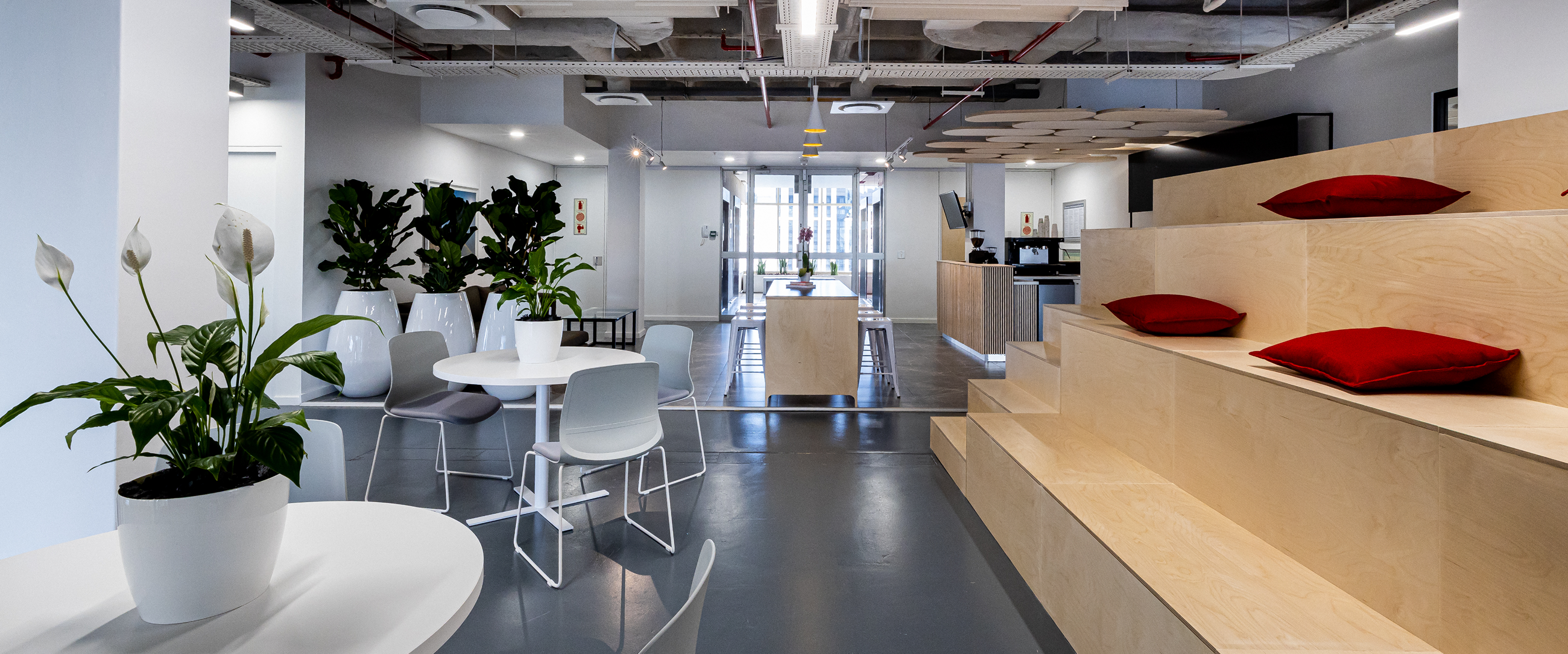
Workplace Design
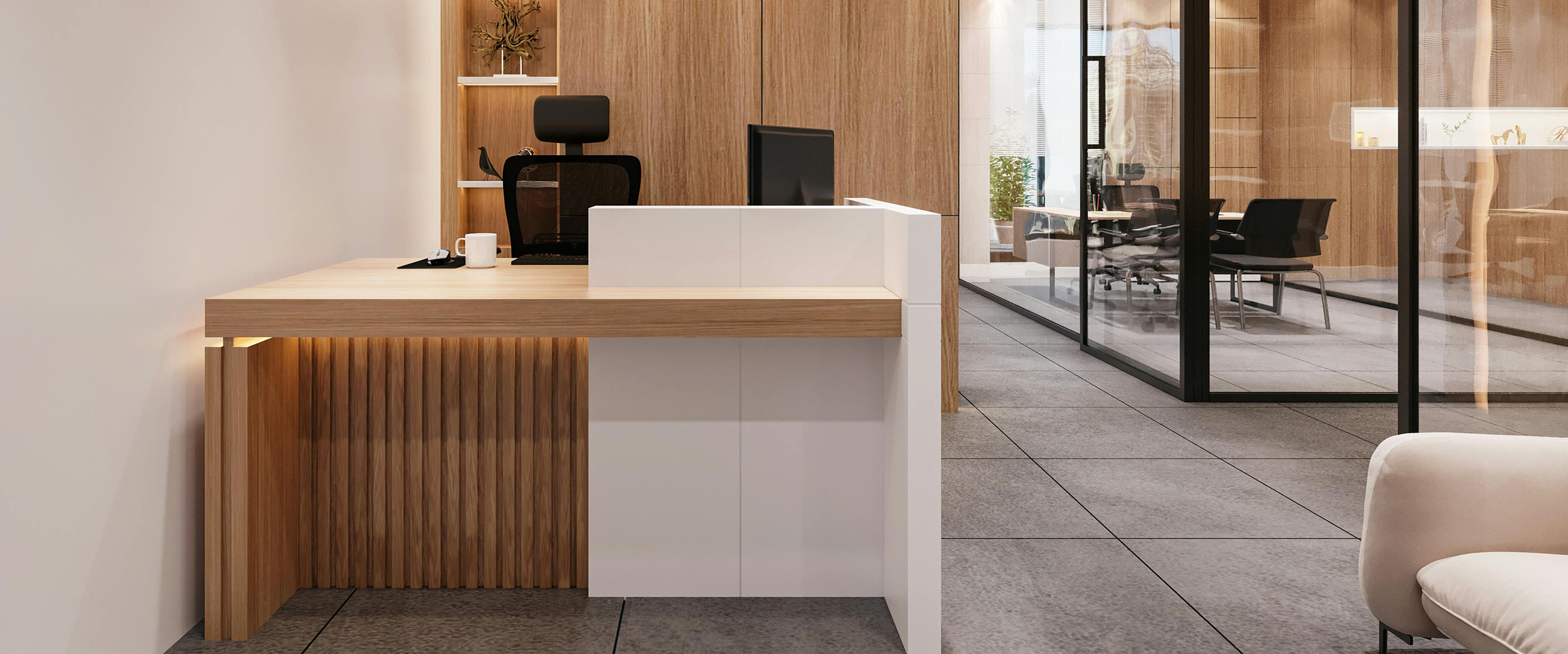
Workplace Design