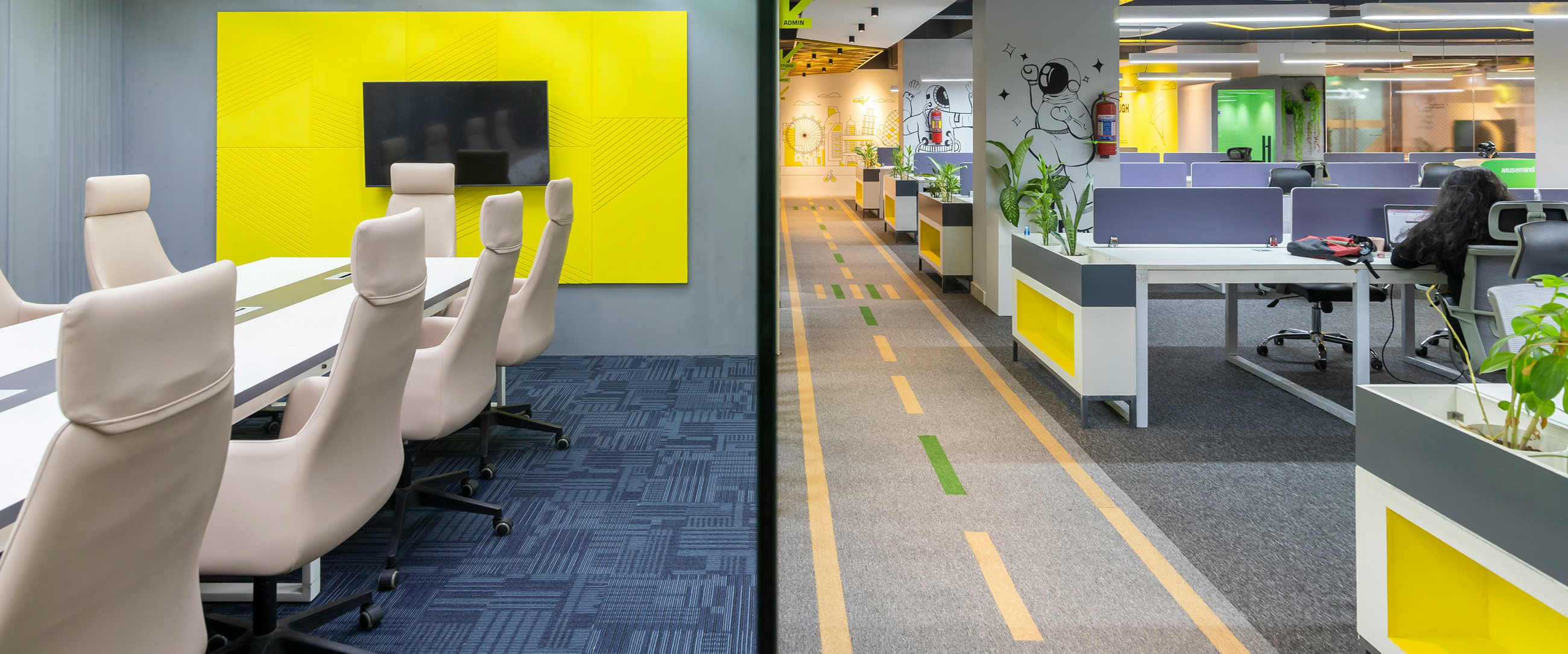
Workplace Design
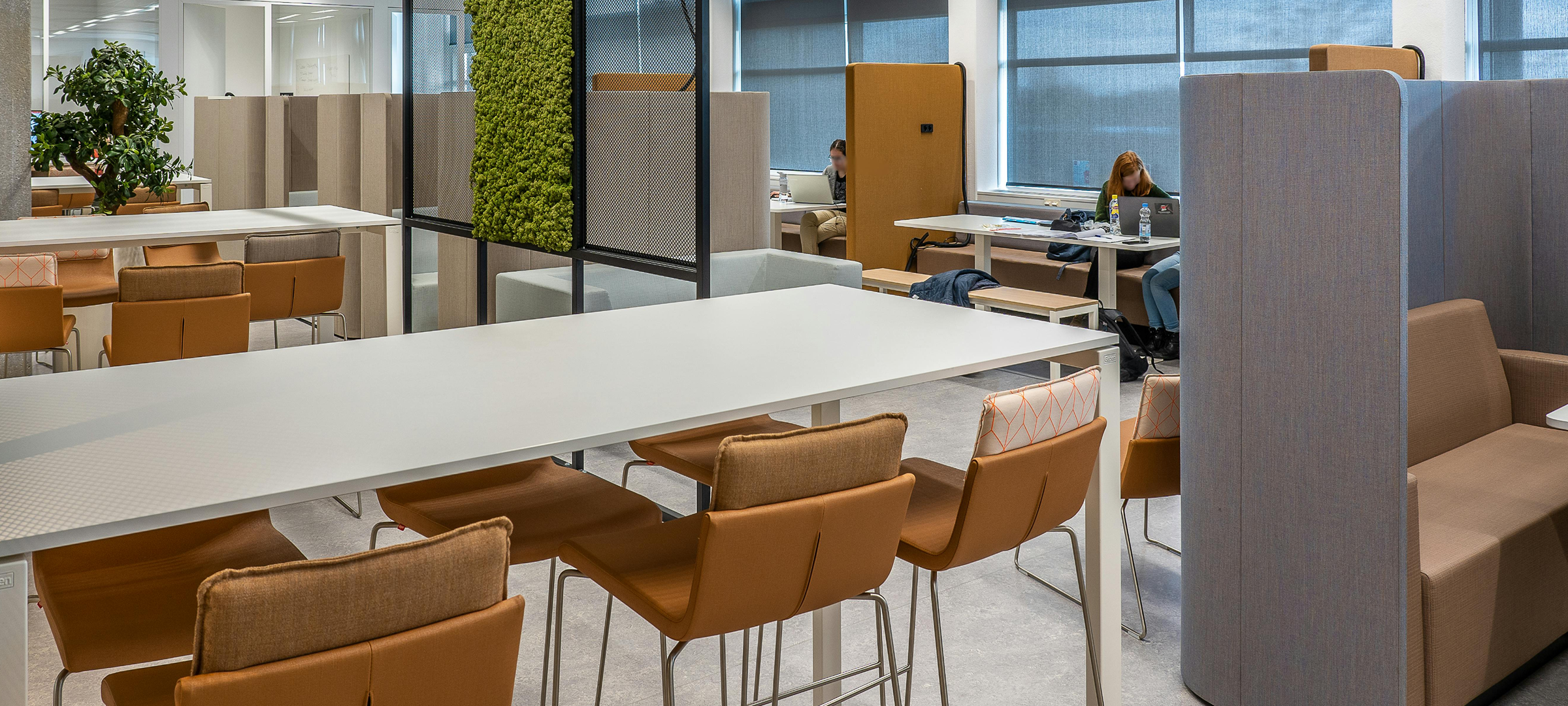
Workplace Design
The workplace as we knew it is changing. Remote work, hybrid models, and evolving employee expectations are transforming how, where, and why we work.
“The rapid shifts triggered by recent global events have forced businesses, employees, and leaders to rethink what work really means,” says Director Phillip Wyatt of Inhouse Design Studio.
“Old paradigms are fading. We’re entering an era where flexibility, technology, and employee wellbeing are at the heart of every decision. Organisations must now balance productivity with culture, presence with performance, and innovation with inclusivity.”
The key questions loom large: How can technology be integrated without losing the human touch? Will the office become obsolete, or will it evolve into a hub for collaboration? How can organisations ensure diversity and inclusivity in a world where work is no longer tied to a single location?
Trends Driving the New Workplace
1. Technology and Automation
AI and automation can feel threatening, but Wyatt and the team see opportunity. By leveraging technology to streamline operations while upskilling employees, companies can turn potential disruption into growth.
2. Continuous Skill Adaptation
Rapid tech innovation demands constant learning. ‘Future Skills’ programs—covering coding, data analysis, and emerging technologies—ensure employees stay adaptable, employable, and valuable in any scenario.
3. Workplace Culture and Inclusive Management
Diversity is essential, not optional. Tools like personalized work guides help teams understand each other’s strengths and communication styles, fostering empathy, collaboration, and efficiency.
4. Economic and Social Shifts
Changing demographics mean fresh perspectives are vital. Mentorship programs pair experienced employees with newcomers, blending wisdom and innovation to keep teams agile and creative.
5. Employee Wellbeing
Wellbeing and professional growth go hand in hand. Modern workplaces combine wellness initiatives, mental health support, and career development to help employees thrive personally and professionally.
6. Remote Work and Flexibility
Remote work visas in nearly 60 countries reflect a global shift. Even as offices reopen, many companies offer employees the freedom to work from anywhere, attracting top talent and promoting a culture of flexibility.
7. Hybrid Models and Collaborative Offices
“The commute isn’t disappearing; it’s evolving,” Wyatt notes. Offices are now designed as collaborative hubs, downsized and equipped with advanced technology to make in-person interactions high-value, creative, and engaging.
The workplace is no longer just a location—it’s a dynamic ecosystem shaped by technology, culture, and human connection. With Phillip Wyatt and the Inhouse design studio team at the helm, organisations have the opportunity to design a future of work that is flexible, inclusive, and thriving for everyone.
Workplace Design
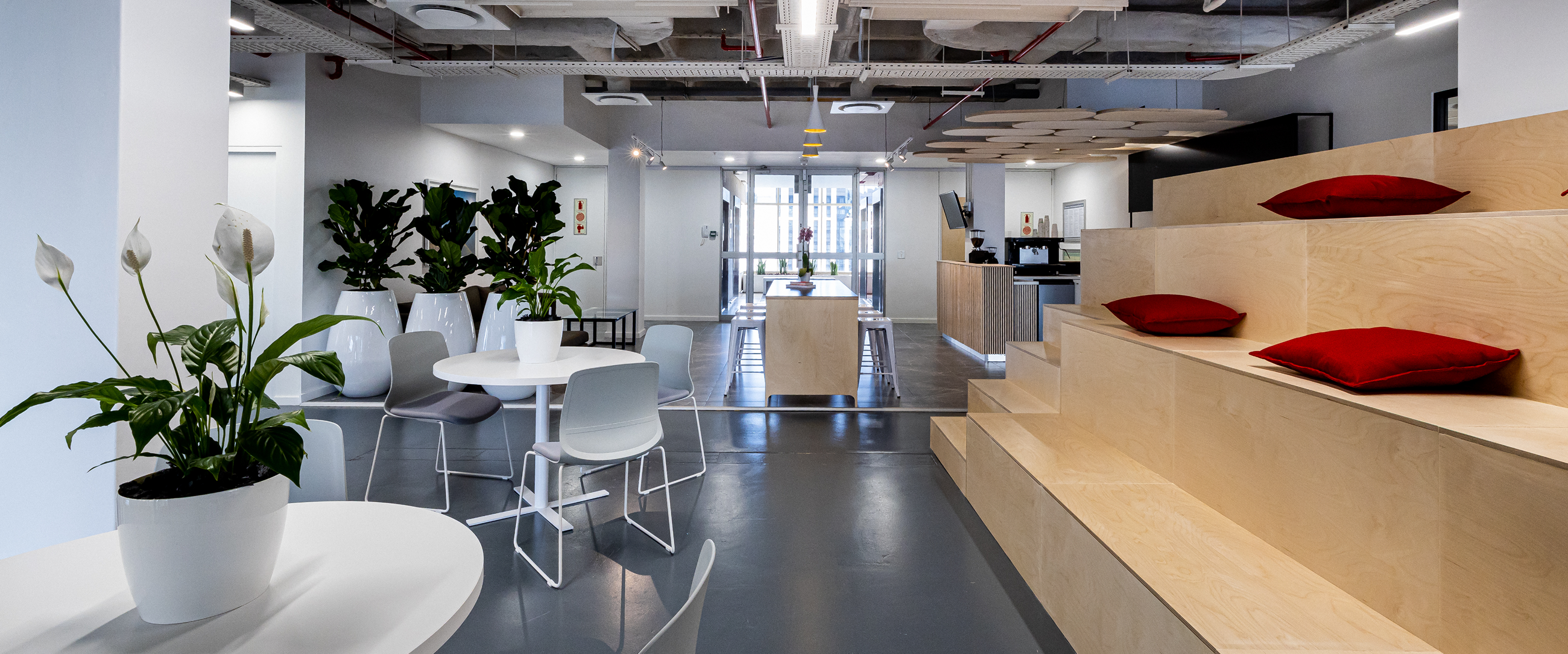
Workplace Design
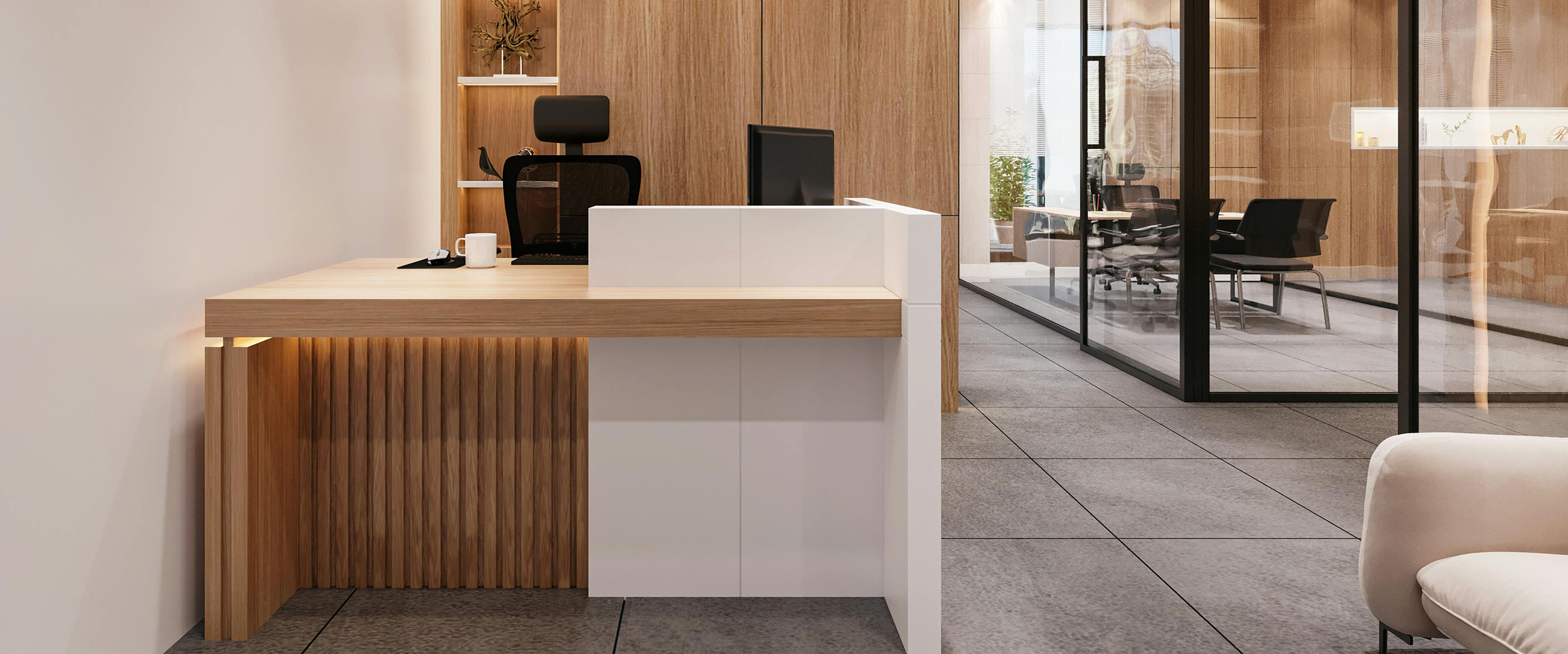
Workplace Design