Workplace Wellness
Workplace Wellness
The modern office is no longer just a place to work—it’s a space designed to support creativity, collaboration, and employee wellbeing. With hybrid and remote work now part of everyday life, businesses are rethinking how they design offices to meet the evolving needs of their teams.
Activity-Based Workspaces: Flexibility at the Heart of Productivity
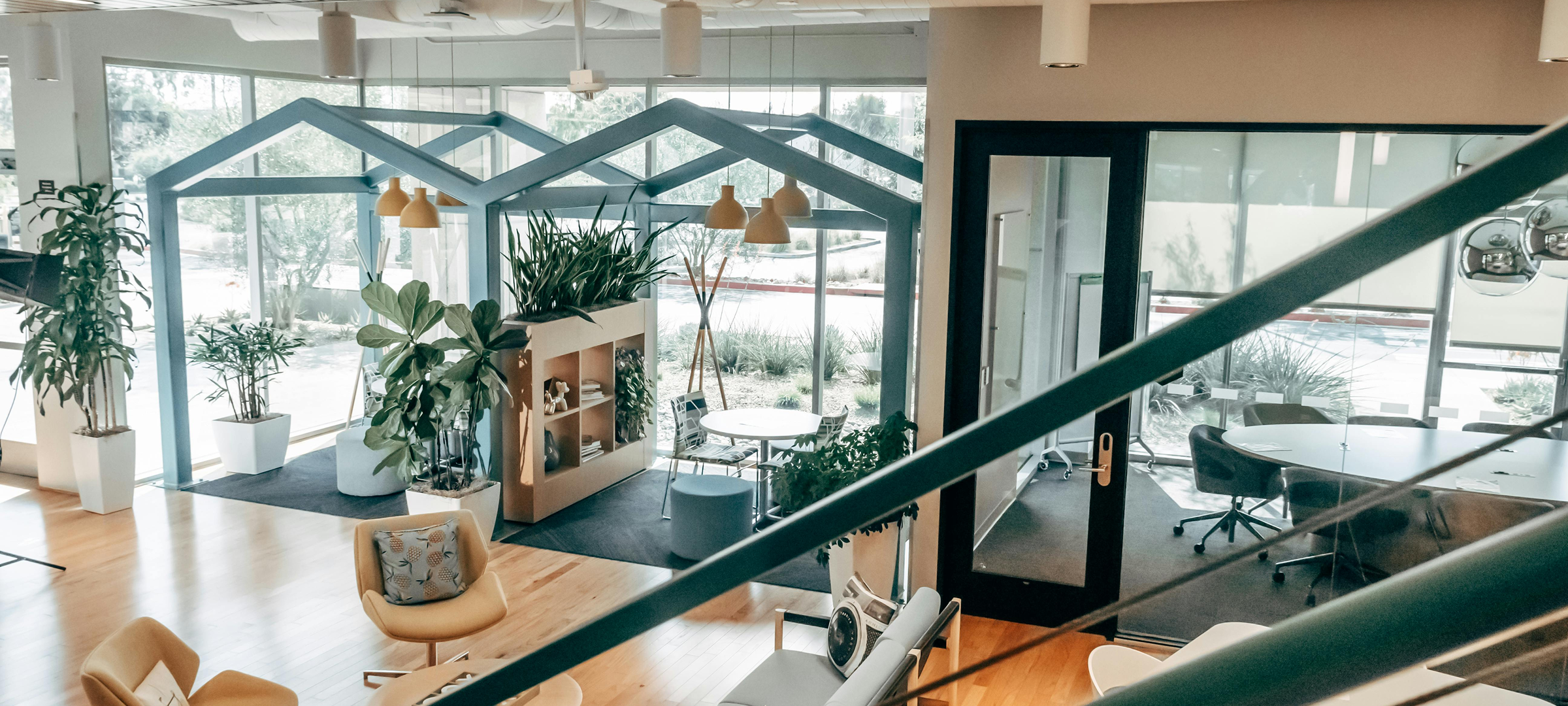
One of the most effective strategies in contemporary office design is the activity-based workspace (ABW) approach. By creating zones tailored to different work modes—focused work, collaborative sessions, and social interaction—companies can ensure employees have the right environment for every task. Placing these zones near natural light can boost energy and productivity while also enhancing comfort and wellbeing.
Central Hubs for Connection and Recharge
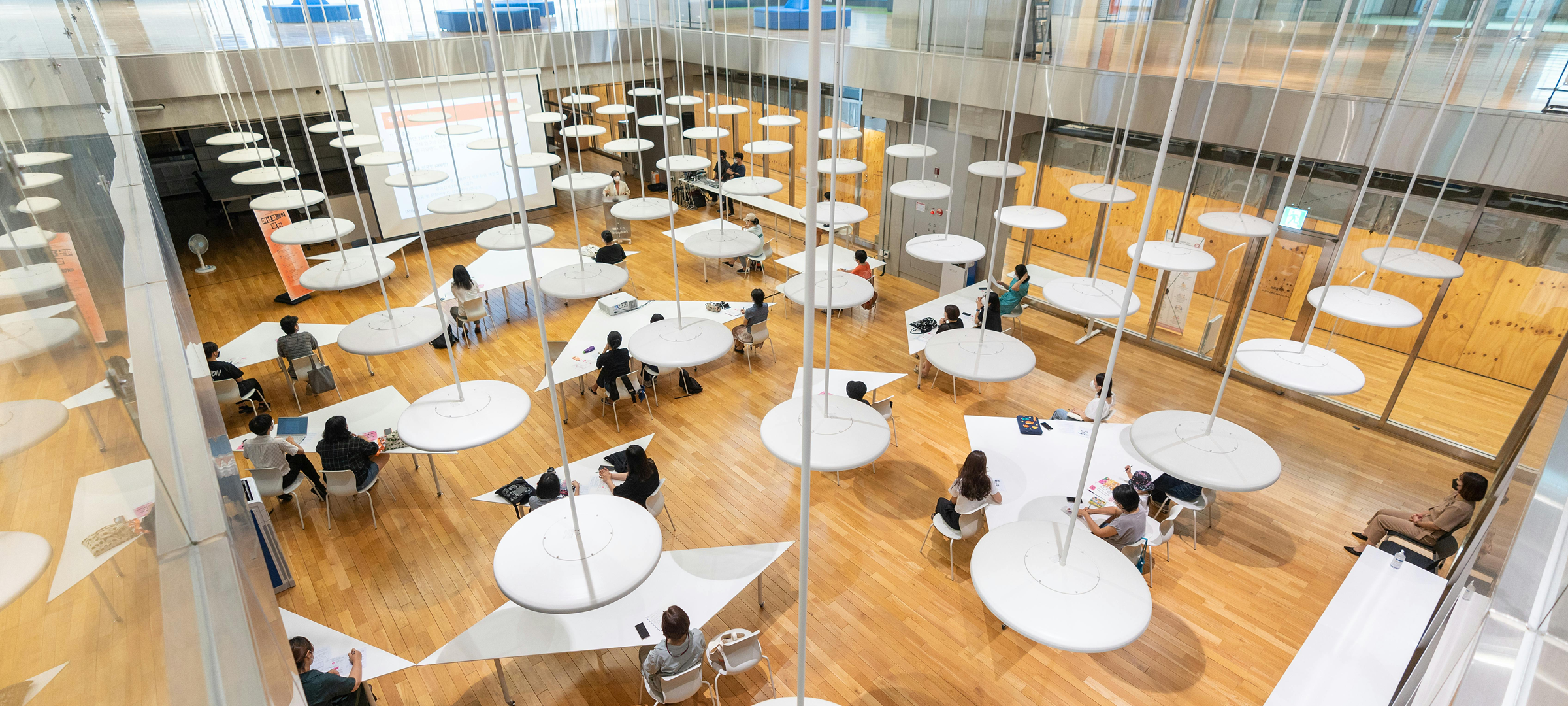
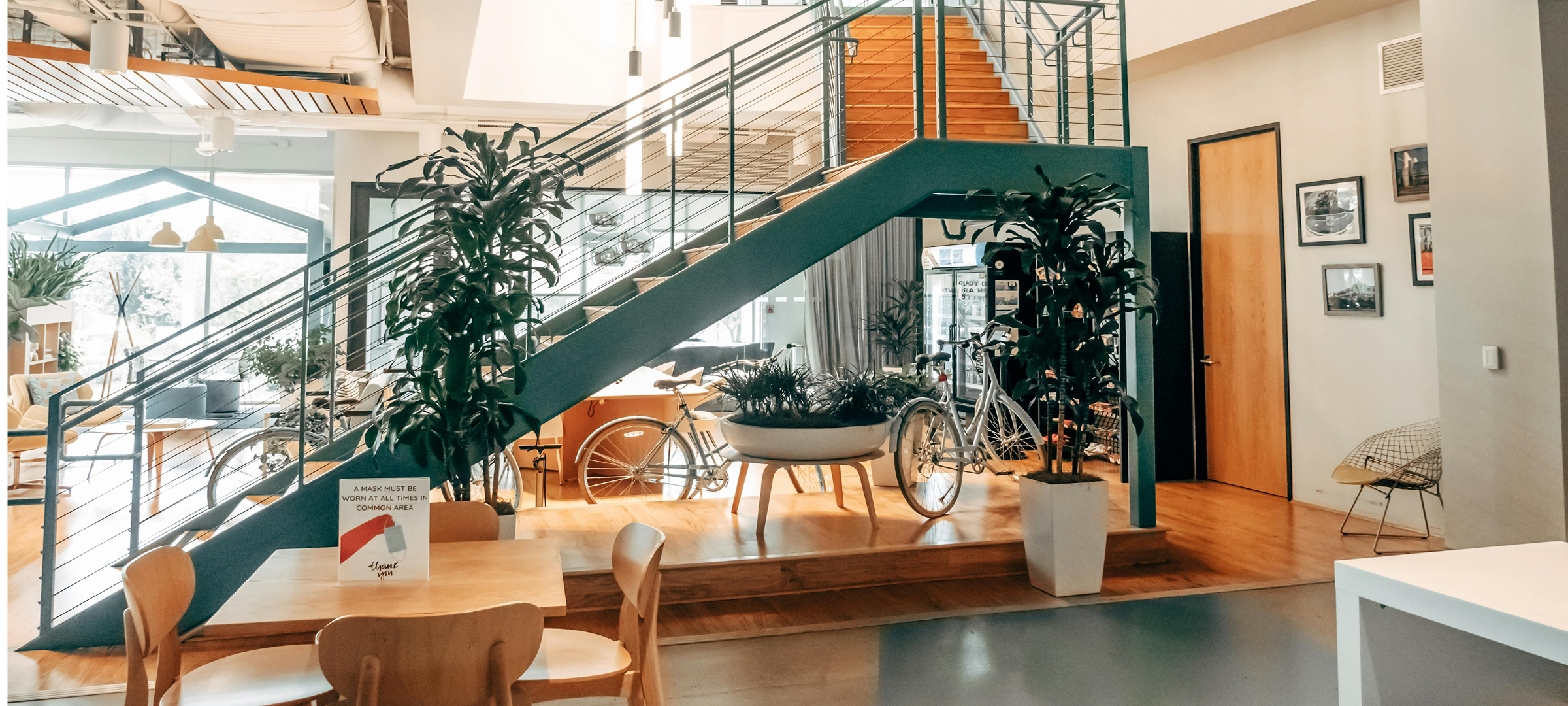
Modern offices benefit from central hubs, spaces designed for regrouping, informal collaboration, or simply taking a break. These hubs encourage movement, interaction, and creativity, allowing employees to recharge without leaving the workspace. Such areas strike a balance between social connection and personal focus, making them an essential part of modern office ecosystems.
Private Spaces for Focused Work
Even in open, flexible environments, employees need privacy for deep work or confidential conversations. Acoustic pods, small meeting rooms, and quiet corners allow individuals to concentrate while maintaining a sense of comfort. Flexible design ensures that both collaborative and individual work styles are accommodated.
Designing for Comfort and Inspiration
In addition to functionality, design elements like natural light, panoramic views, and cozy breakout areas play a key role in inspiring creativity and engagement. Informal lounges, café-style spaces, and comfortable seating areas give employees a chance to recharge, brainstorm, or connect with colleagues in a more relaxed setting.
Learning from Expert-Led Projects
Design experts, such as Aidan Hart and the Inhouse team, have demonstrated how thoughtful planning can transform offices into ecosystems that truly support employees. Projects they have led, including multi-floor redesigns for major clients, show how combining flexible work zones, central hubs, and private spaces can create offices that are both productive and welcoming.
Key Principles for Modern Workspace Design
Implement activity-based zones for different work styles.
Include central hubs for informal collaboration and mental recharge.
Provide private acoustic spaces for focus and confidential conversations.
Leverage natural light and inspiring views to boost creativity.
Prioritize employee wellbeing and comfort in every design decision.
Modern offices are evolving into ecosystems where productivity, creativity, and employee satisfaction coexist. By incorporating these design principles, businesses can create spaces that are not just functional, but inspiring and human centered.