Workplace Wellness
Workplace Wellness
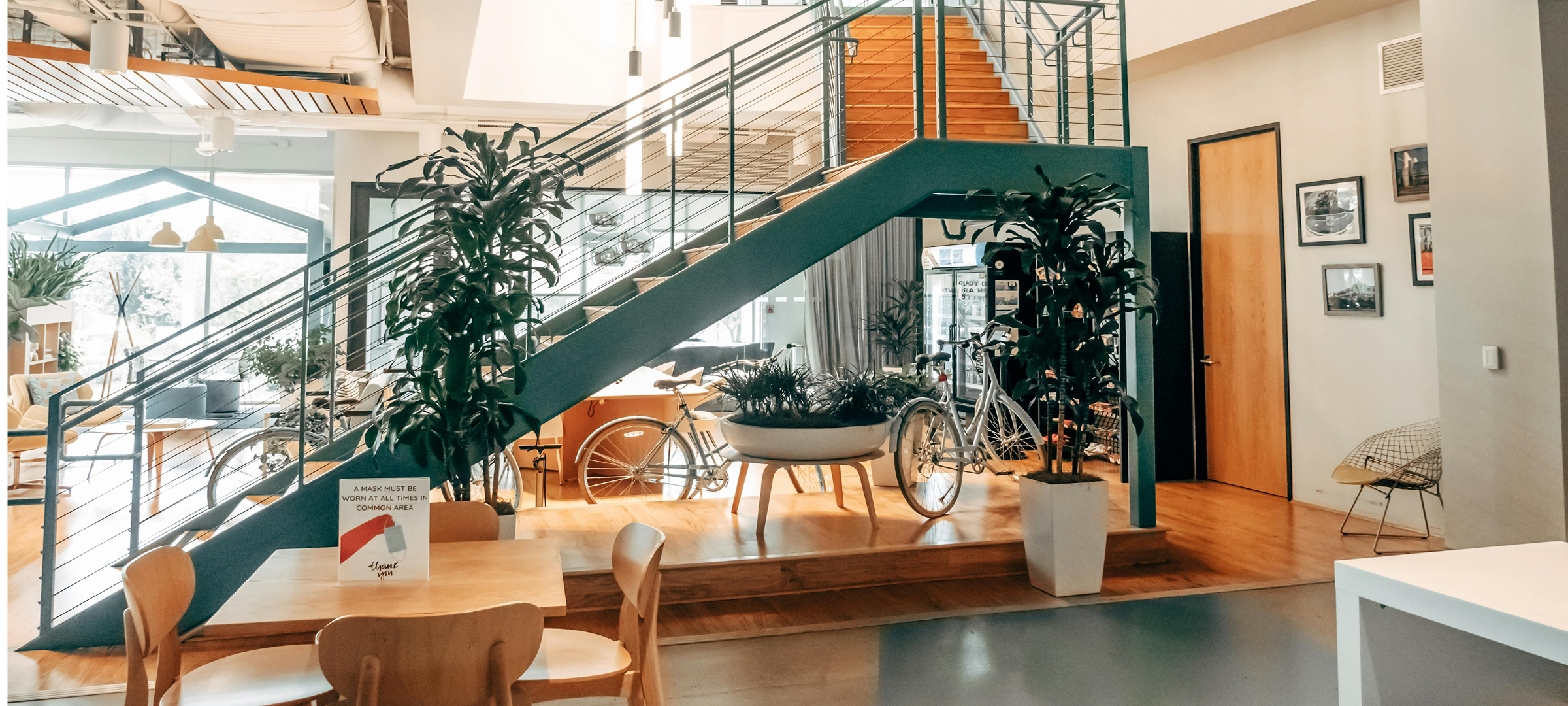
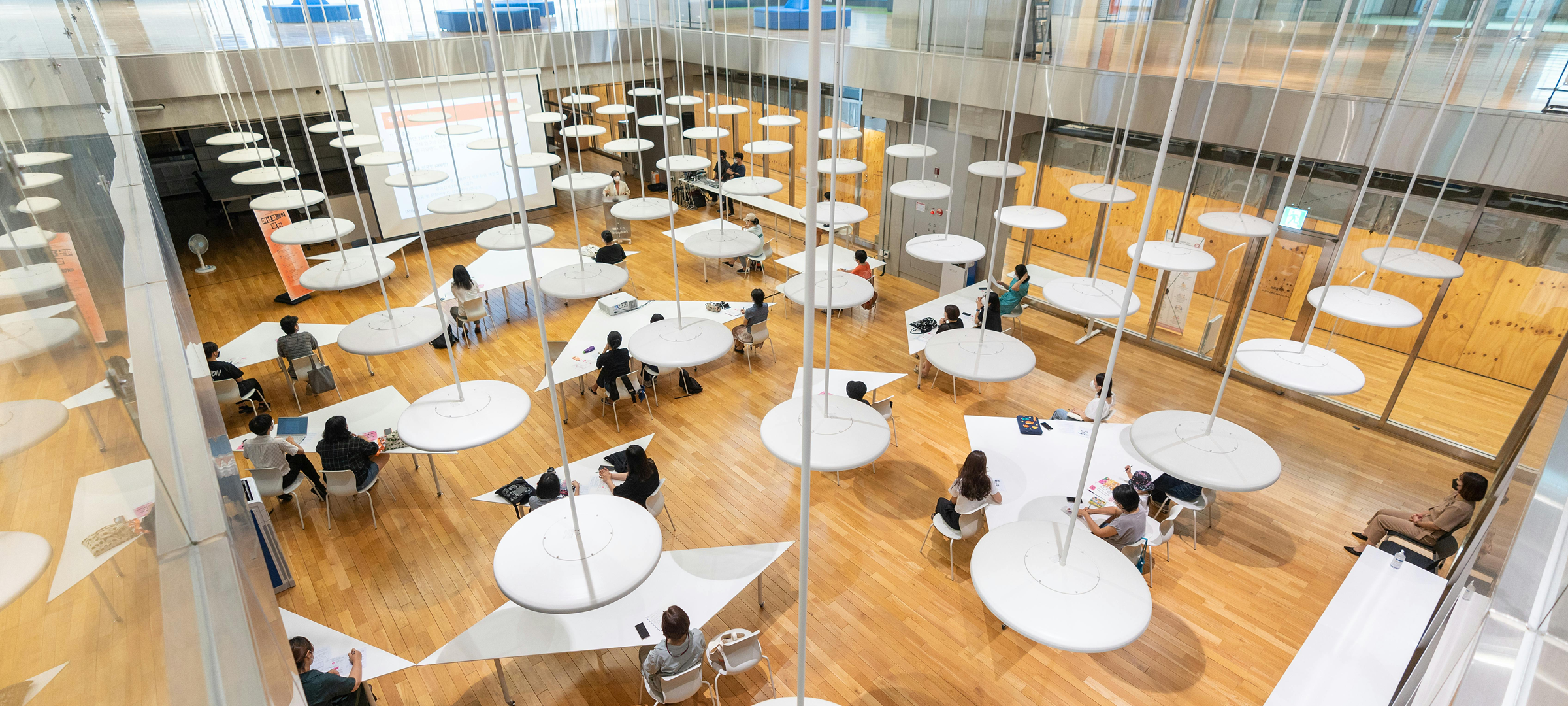
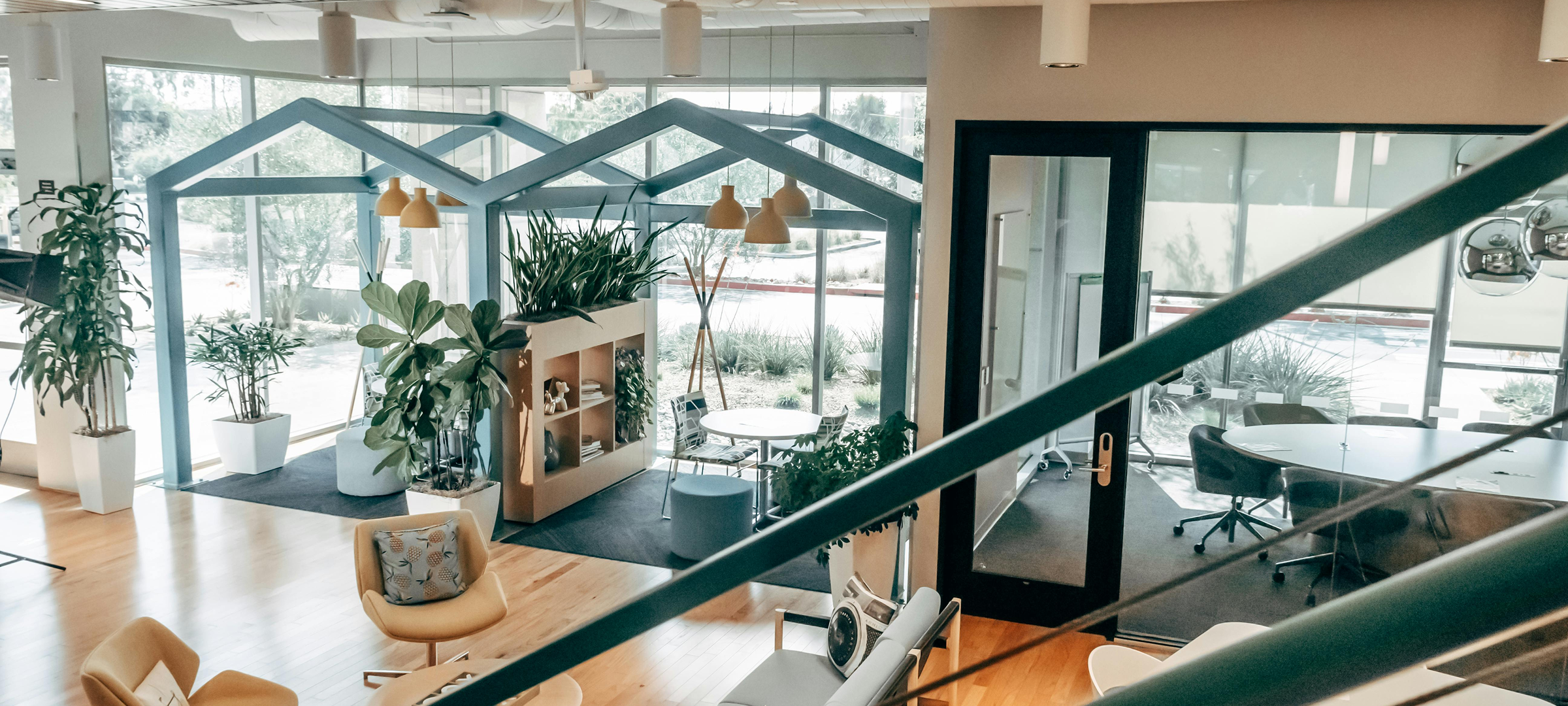
When we think about what drives workplace productivity and employee satisfaction, we often focus on perks, salaries, or company culture. Yet one of the most powerful influences is often overlooked: the physical space itself. The way an office is designed—its layout, flow, and environment—can significantly impact morale, collaboration, and overall wellbeing. Open vs. Closed Spaces: Finding the Right Balance Open-plan offices are praised for fostering collaboration and communication, but without thoughtful design, they can lead to noise distractions, stress, and burnout. Conversely, closed or compartmentalized layouts offer privacy and focus but can create feelings of isolation. The key lies in balance: spaces that encourage interaction while providing areas for quiet focus. The Role of Movement and Flow Humans thrive in spaces that feel intuitive and easy to navigate. A layout that encourages natural movement—whether it's walking to meeting areas, communal zones, or breakout spaces—promotes both physical activity and casual interaction, which can boost creativity and morale. Crowded or confusing layouts, on the other hand, can cause frustration and reduce engagement. Lighting, Color, and Biophilic Design Psychology shows that light and color have profound effects on mood and energy. Bright, natural light increases alertness, while warmer tones can create a sense of comfort and relaxation. Incorporating elements of nature—plants, natural materials, or outdoor views—can reduce stress and improve emotional wellbeing, a principle known as biophilic design. Personalization and Ownership Allowing employees to personalize their workspace fosters a sense of control and belonging, which directly contributes to morale. Simple touches like adjustable desks, curated decor, or collaborative boards encourage ownership and connection to the space. Designing for Morale Creating a workspace that supports employee wellbeing requires intention. Thoughtful layouts that balance collaboration with privacy, integrate natural elements, and respond to human psychology don't just look good—they feel good. When employees feel comfortable, inspired, and valued by their environment, morale rises, engagement deepens, and productivity follows. Bottom Line The psychology of space is more than a trend—it's a fundamental driver of workplace success. Investing in a thoughtfully designed office isn't just about aesthetics; it's about creating an environment that nurtures people, inspires creativity, and elevates overall morale.