Workplace Wellness
Workplace Wellness
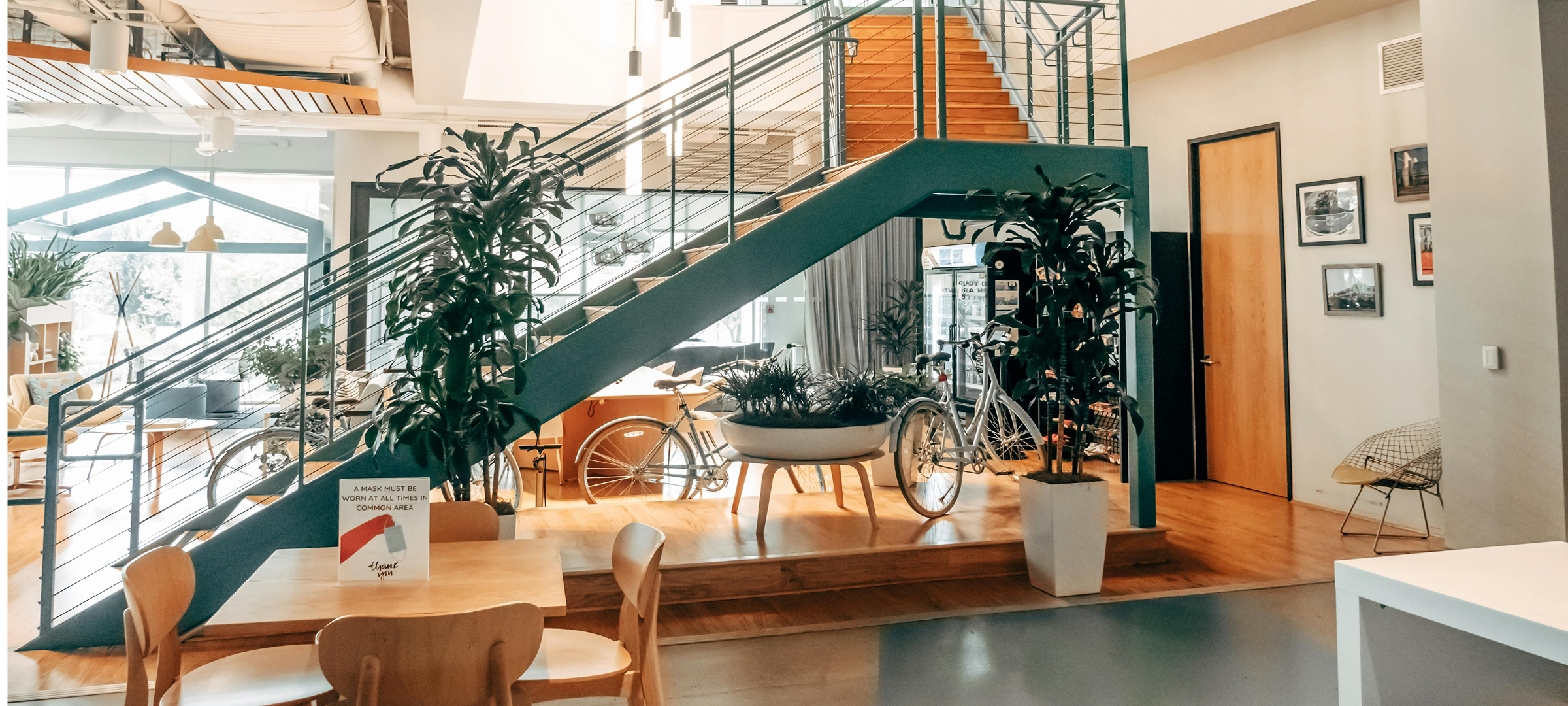
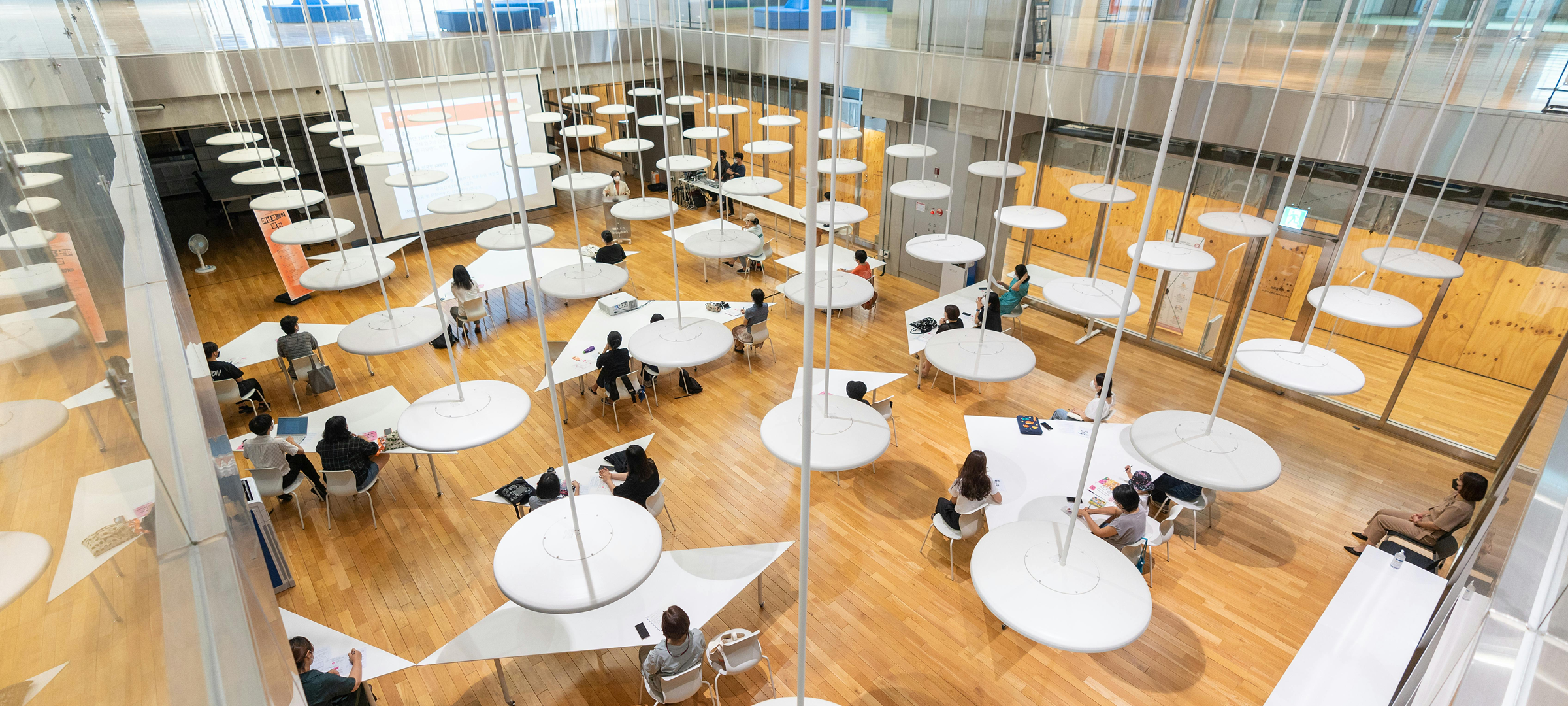
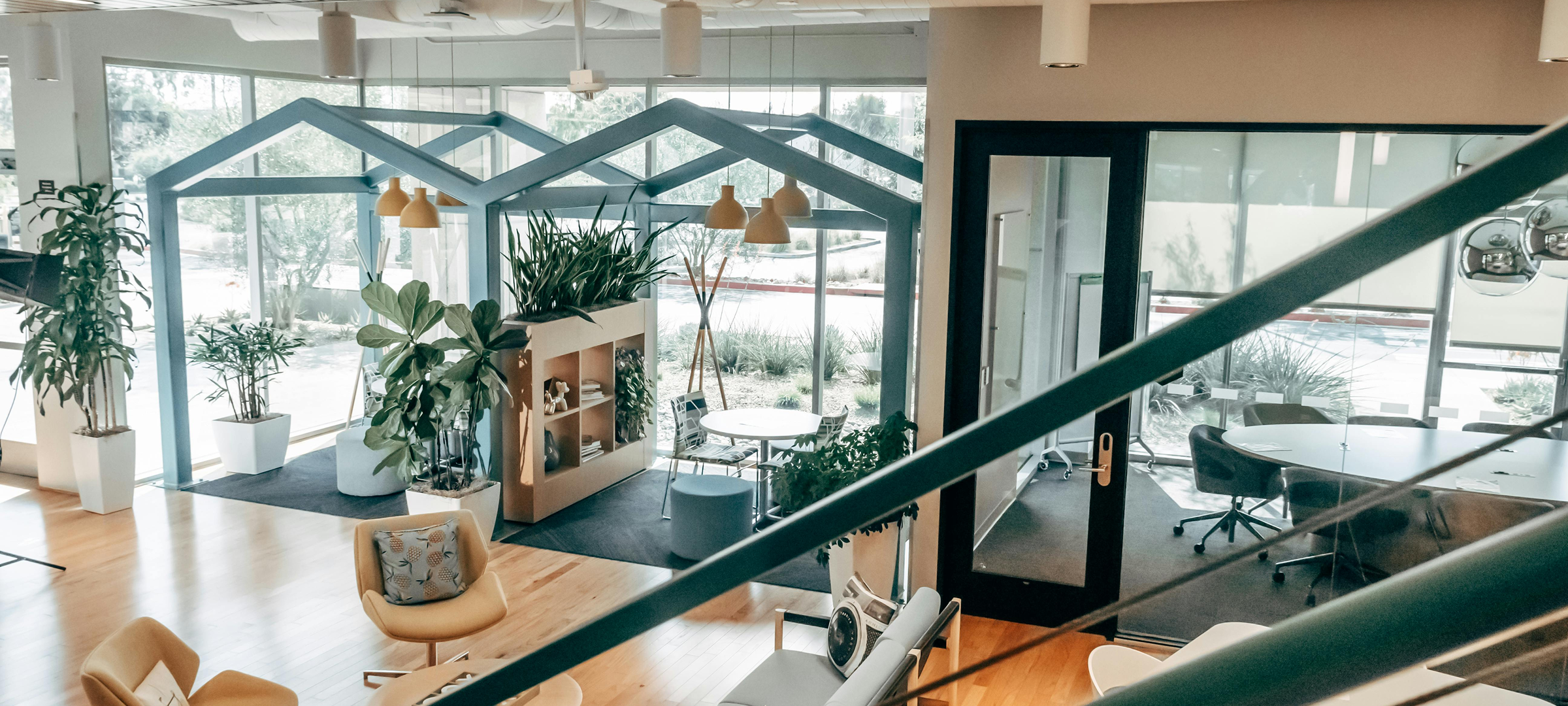
In today's fast-paced work environment, maintaining work-life balance is a challenge for many employees. While policies and flexible schedules help, the design of the office itself plays a crucial role in reducing stress, boosting wellbeing, and supporting productivity. Thoughtful spaces can help employees recharge, focus, and feel valued. ## Create Quiet Zones for Focus and Reflection Open-plan offices are excellent for collaboration, but they can also contribute to noise, distractions, and stress. Quiet zones—dedicated spaces for focused work or personal reflection—give employees a chance to step away from the buzz of the office and recharge. Even small pods, soundproof booths, or designated "focus rooms" can make a significant difference. ## Incorporate Breakout Areas for Relaxation and Social Interaction Breakout areas are essential for informal meetings, brainstorming, or simply taking a mental break. Comfortable seating, flexible layouts, and areas that encourage social interaction foster a sense of community while providing a space to step away from desks. These zones not only improve creativity but also help employees manage stress throughout the day. ## Prioritize Wellness Spaces Wellness-focused design integrates elements that support physical and mental health. Some ideas include: - **Biophilic design**: Incorporate plants, natural light, and natural materials to reduce stress and improve mood. - **Active spaces**: Encourage movement with standing desks, walking paths, or small fitness corners. - **Quiet corners**: Areas for meditation or mindfulness practices promote mental clarity and emotional balance. ## Flexible and Adaptable Design Allowing employees to choose where and how they work gives them a sense of control, which is critical for wellbeing. Flexible layouts, movable furniture, and multi-purpose rooms allow staff to tailor their environment to their needs, whether for collaboration, focus, or relaxation. ## The Bottom Line Work-life balance isn't just about hours on the clock—it starts with the environment employees inhabit every day. By incorporating quiet zones, breakout areas, and wellness-focused spaces, offices can reduce stress, enhance wellbeing, and create a culture where staff feel supported. A thoughtfully designed workplace not only benefits employees but also drives engagement, creativity, and productivity.