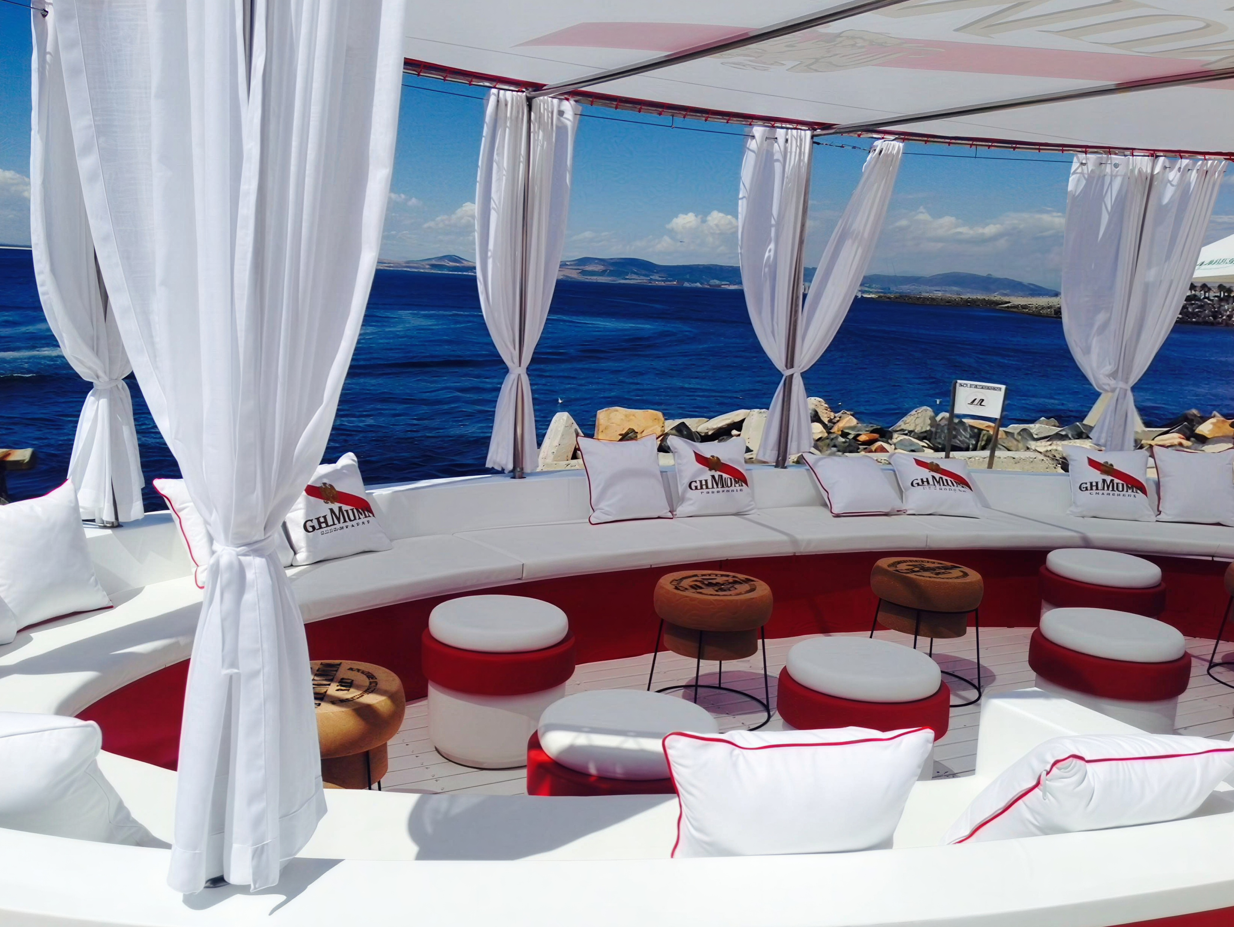
Experiential Design: The Discipline That Turns Buildings into Destinations
As brands compete for attention in physical space, experiential design has emerged as one of the most powerful tools available.
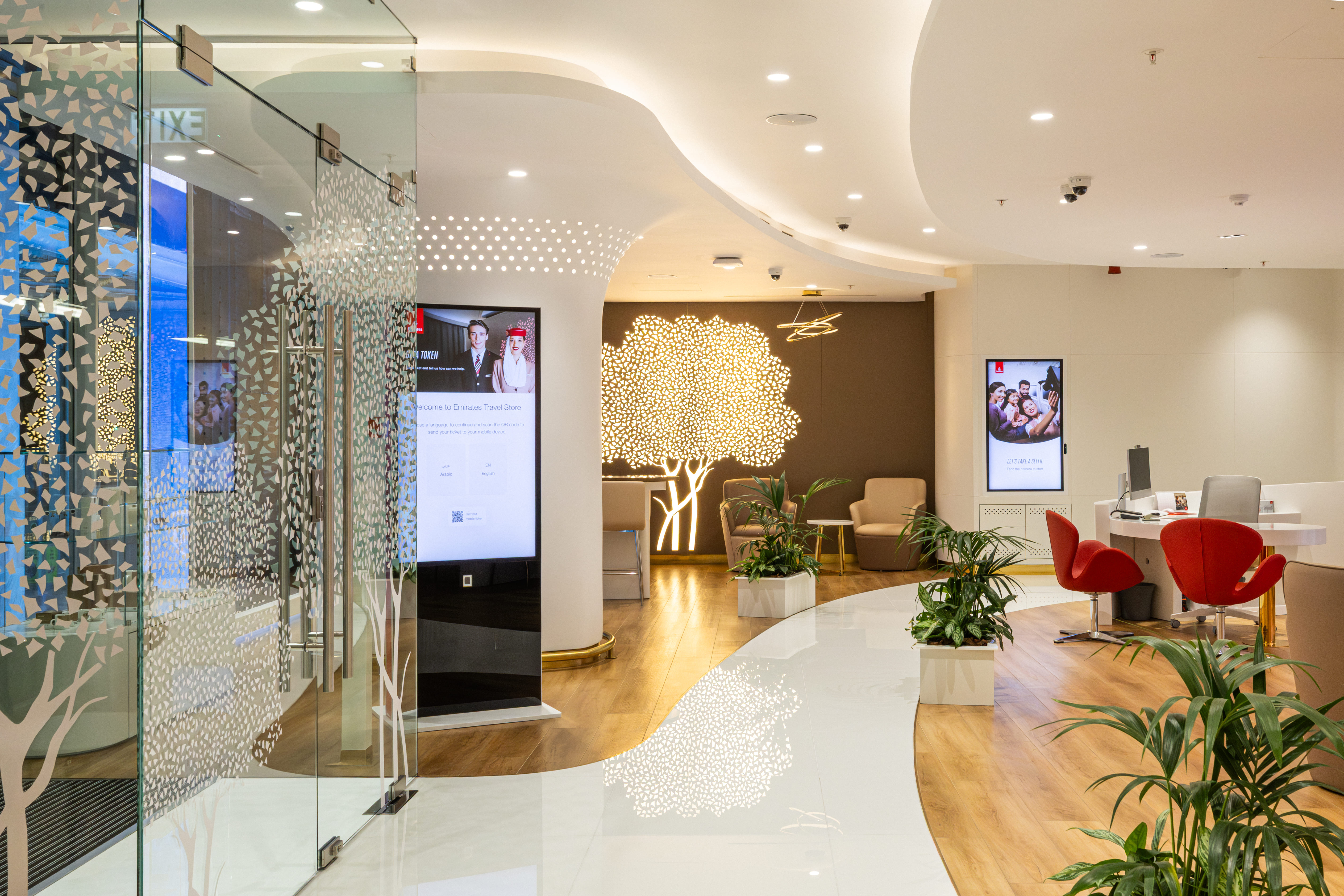
There is a moment, in a well-designed brand environment, when a visitor stops thinking about where they are and starts feeling it. The space has communicated something, about the organisation, its values, its ambitions, its culture, without a single word being spoken. This is the ambition of experiential design: to make places legible, memorable, and emotionally resonant.
Beyond Decoration
Experiential design is frequently misunderstood as a form of elaborate decoration, the application of brand colours and logos to walls and surfaces. The discipline, properly understood, is about spatial storytelling: using the sequence of spaces, the quality of light, the choice of materials, the placement of graphic elements, and the rhythm of movement through a building to communicate something true and specific about the organisation that inhabits it.
“The best brand environments do not shout. They unfold. Each space reveals something new about the organisation, its history, its values, its way of working, through the accumulated weight of considered decisions.”
At Inhouse, our experiential work spans corporate headquarters, retail environments, hospitality venues, and public spaces. In each case, the process begins with a deep understanding of the brand, not its visual identity, but its character, its story, and the experience it wants to create for the people who encounter it.
The Nike EMEA Programme
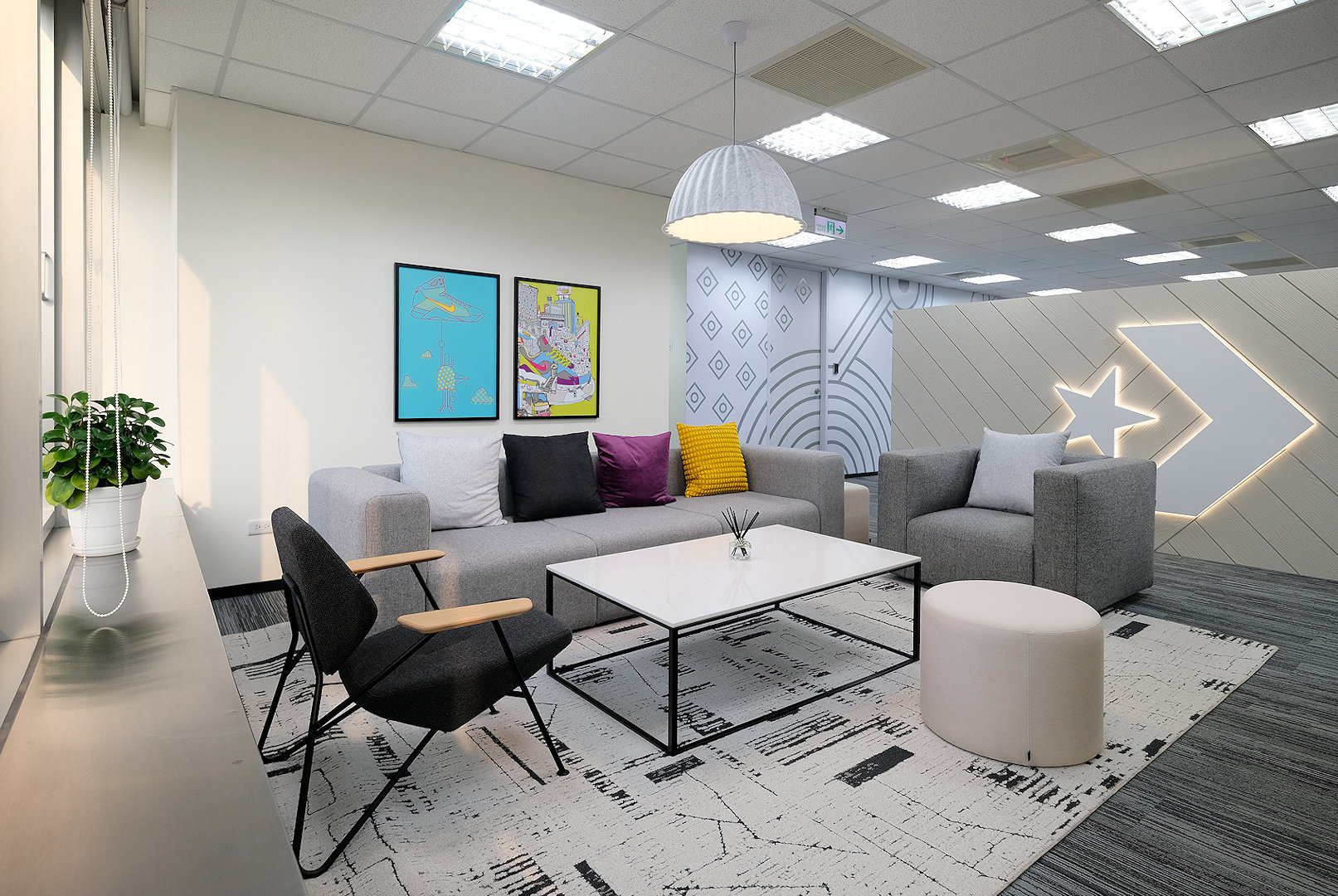
Our multi-year engagement with Nike across their EMEA regional headquarters, including Istanbul, Tel Aviv, and Amsterdam, illustrates the depth of thinking that experiential design demands. Each office needed to express the Nike brand with absolute clarity while also responding to its specific cultural and geographic context. Same brand. Three entirely different spatial narratives.
Tags: Experiential · Branding · Wayfinding · Spatial Design
Designing the Office of 2026
The workplace is no longer a fixed destination, it is a strategic tool. Here is what forward-thinking office design looks like right now.
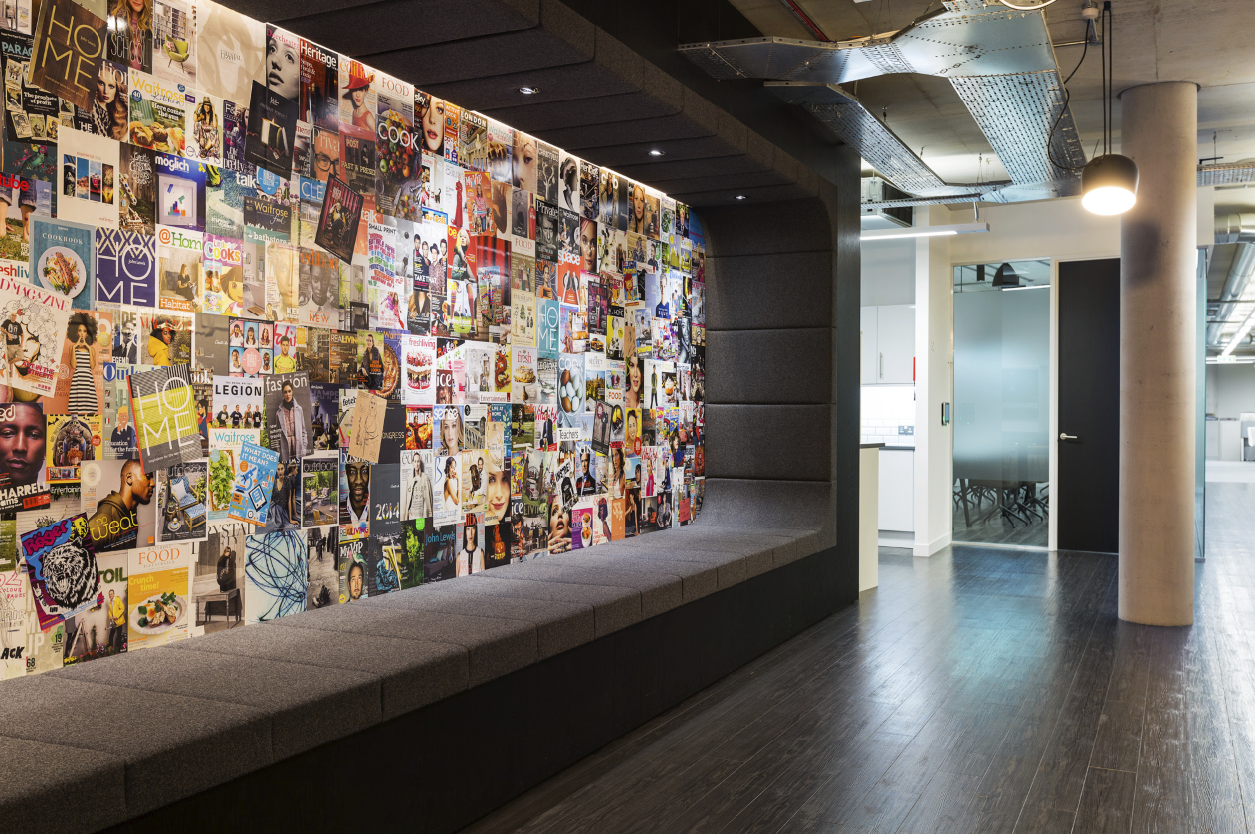
The office of 2026 is not the office of 2019. The pandemic fundamentally changed how organisations think about physical space,not by making it obsolete, but by forcing a long-overdue reckoning with what the office is actually for. The answer, increasingly, is that the office exists to do the things that cannot be done remotely: to build culture, to enable spontaneous collaboration, to onboard and develop people, and to give an organisation a physical identity.
The Office in 2026: What Has Changed
The most significant shift is from presence to purpose. In the pre-pandemic office, attendance was the measure of engagement. In the office of 2026, the question is different: what does this space need to make possible?
Hybrid-First Design
The hybrid workplace is no longer a temporary accommodation, it is the default operating model for most knowledge-based organisations. Designing for hybrid means designing for a space that performs well whether it is 30% occupied or 100% occupied. This requires fewer fixed desks, more flexible zones, better acoustic design, and technology infrastructure that makes remote participants feel genuinely present.
Biophilic and Wellness-Centred Spaces
The evidence for biophilic design, the integration of natural light, greenery, organic materials, and connections to the outdoors, is now overwhelming. Offices that incorporate these elements consistently out perform those that don’t on measures of employee satisfaction, productivity, and retention.
“The most successful offices of 2026 will not be defined by how they look, but by how well they support the people inside them.”
Flexible and Activity-Based Working
Activity-based working (ABW), the principle that different tasks require different environments, has moved from trend to standard practice. The office of 2026 offers a range of settings: focus zones for deep work, collaboration spaces for team interaction, social areas for informal connection, and quiet rooms for calls and concentration.
FAQ:
Q: What is the biggest trend in office design in 2026?
A: The shift from presence-based to purpose-based design. Offices are be ingredesigned around the specific activities that benefit from in-person collaboration, rather than simply providing desks foreveryone.
Q: How should an office be designed for hybrid working?
A: Hybrid-first design prioritises flexible zones over fixed desks, invests in acoustic design to support video calls, and ensures that the space performs well at varying occupancy levels.
Q: Is biophilic design worth the investment?
A: Yes. The evidence consistently shows that biophilic elements, natural light, plants, organic materials, outdoor connections, improve employee satisfaction, reduce stress, and increase productivity.
Q: How do I know if my current office needs a redesign?
A: Key indicators include low voluntary attendance, poor acoustic performance, insufficient collaboration space, and a mismatch between the space and the organisation’s culture.
Tags: Modern Design · Office Interiors · Workspace Design · Cape Town · Contemporary Workspace
Modern Workspace Design
What separates a modern workspace from a merely contemporary one, and why the distinction matters for how your team performs.
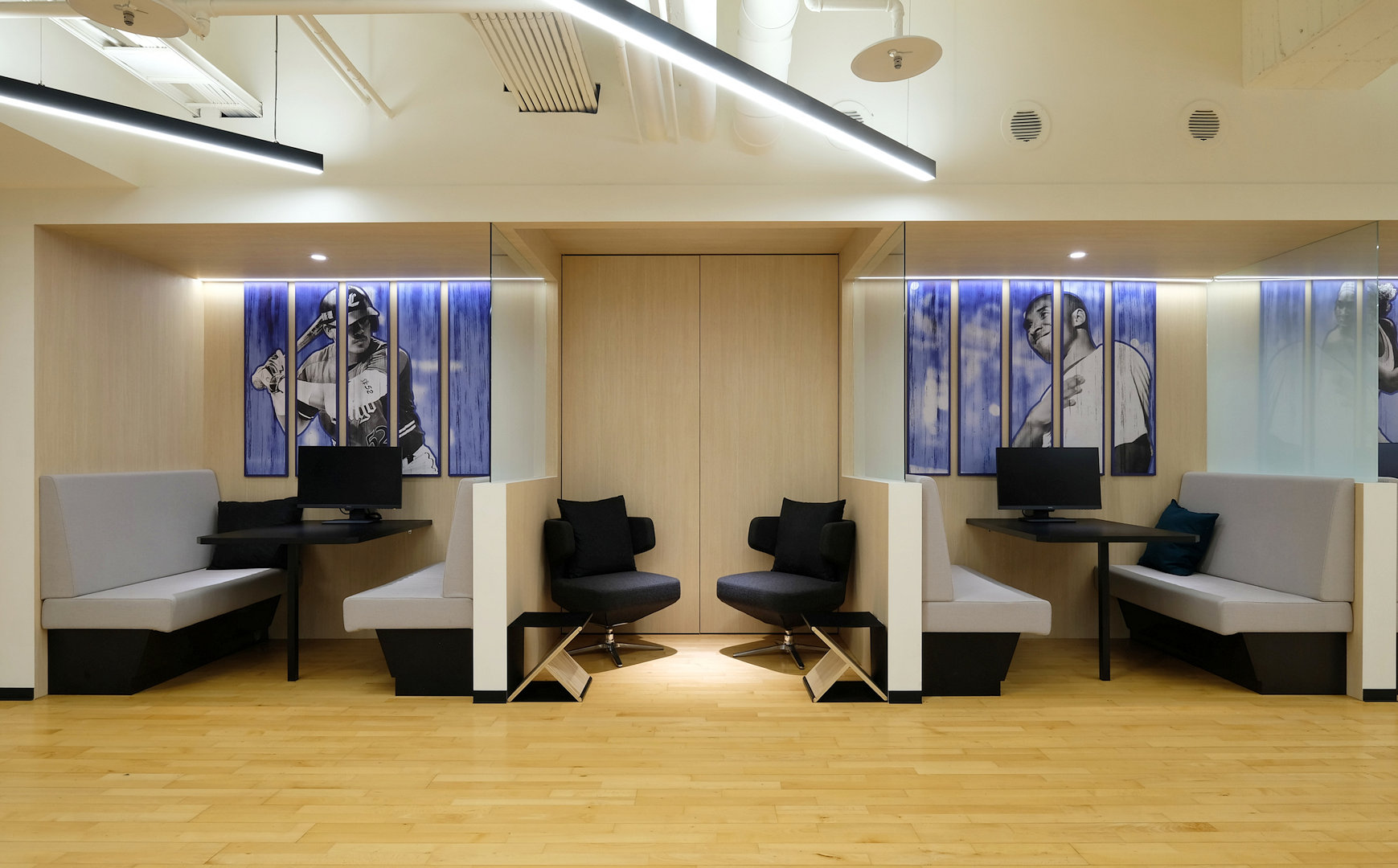
The word ʻmodern’ is one of the most overused in interior design. In the context of workplace design, however, modern has a more precise meaning, and understanding that meaning is essential to creating spaces that genuinely perform.
What Makes a Workspace Truly Modern?
A truly modern workspace is not defined by its aesthetic, it is defined by its responsiveness. A modern workspace responds to how people actually work today: with flexibility, with technology, with a need for both collaboration and focused solitude, and with an expectation that the physical environment will support their wellbeing as well as their productivity.
Flexibility as a Design Principle
Flexibility is the defining characteristic of modern workspace design. The modern office is not a fixed arrangement of desks and meeting rooms, it is a range of settings that can be reconfigured as the organisation’s needs change. This means designing for adaptability from the outset: moveable partitions, reconfigurable furniture, distributed infrastructure, and spaces that can serve multiple purposes.
Technology Integration
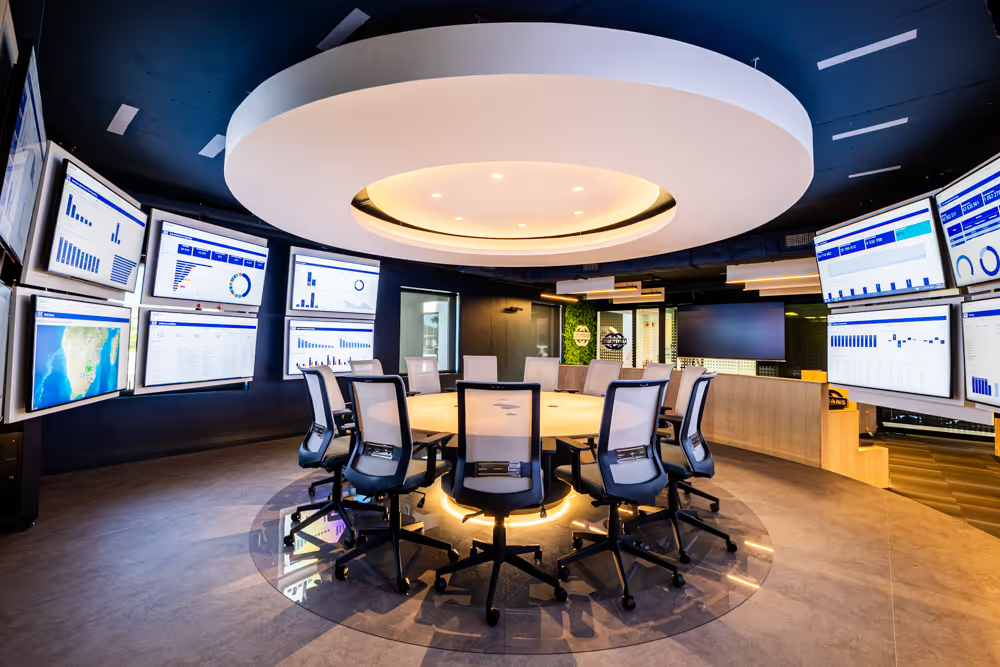
Modern workspace design treats technology as infrastructure, not furniture. AV systems, connectivity, and collaboration tools should be seamlessly integrated into the architecture of the space, not bolted on as an afterthought.
“A modern workspace is not defined by when it was built, it is defined by how well it responds to the people and the work that happens inside it.”
Wellbeing and Human-Centred Design
Modern workspace design places human wellbeing at the centre of every decision. This means maximising access to natural light, incorporating biophilic elements, providing acoustic variety, and ensuring that the space supports the physical and mental health of the people who work in it.
Sustainability and Material Responsibility
Modern workspace design takes material responsibility seriously. This means specifying materials with low environmental impact, designing for longevity rather than fashion, and considering the full lifecycle of every element in the space.
FAQ:
Q: What is modern workspace design?
A: Modern workspace design is design that responds to how people actually work today, with flexibility, technology, a need for both collaboration and focus, and an expectation that the physical environment will support their wellbeing. It is defined by responsiveness, not by a particular aesthetic.
Q: What are the key features of a modern office?
A: Flexible settings for different modes of work, seamlessly integrated technology, access to natural light, biophilic elements, good acoustic design, and a spatial quality that reflects the organisation’s culture and values.
Q: How is modern office design different from contemporary office design?
A: Contemporary refers to what is current in terms of aesthetics. Modern, in the context of workplace design, refers to a set of principles about how space should respond to the waypeople work.
Q: How much does modern workspace design cost in Cape Town?
A: A comprehensive workspace design and fit-out typically costs between R3,500 and R8,000 per square metre, depending on the level of finish.
Tags: Modern Design · Office Interiors · Workspace Design · Cape Town · Contemporary Workspace
How Thoughtful Office Design Shapes the Workplace Experience
Space is not neutral. Every design decision. from layout to lighting. shapes how people feel, collaborate, and perform.
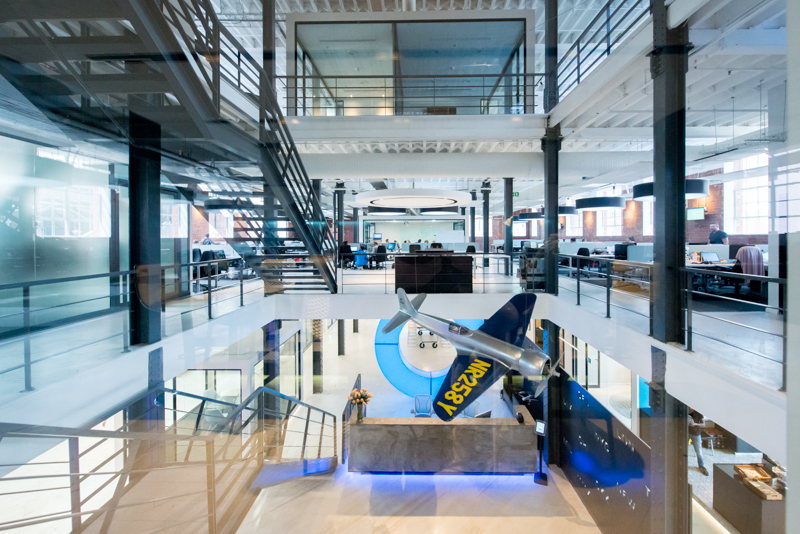
The workplace experience is not created by a single element, it is the cumulative result of every spatial decision, from the entrance to the desk. The quality of the light, the acoustic character of the space, the sequence of arrival, the ease of navigation, the availability of different work settings, the way the brand is expressed through the built environment, all of these things contribute to how people feel about coming to work, and how effectively they perform when they get there.
What Is Workplace Experience?
Workplace experience is the sum of everything an employee encounters in the course of a working day, from the moment they arrive to the moment they leave. It includes the physical environment, the technology, the social dynamics, and the cultural signals embedded in the space. Good workplace experience design addresses all of these dimensions simultaneously, rather than treating them as separate problems.
Layout and Spatial Flow
The layout of an office determines how people move through it, where they encounter each other, and how easily they can access the different settings they need. A well-planned layout creates a natural flow that supports the organisation’s working patterns, bringing together the people who need to collaborate, separating those who need to focus, and providing the social spaces that build culture and connection.
Lighting and Its Effect on Performance
Lighting is one of the most powerful tools in the workplace designer’s kit. Natural light is the gold standard, it regulates circadian rhythms, improves mood, and reduces fatigue. Where natural light is limited, well-designed artificial lighting can compensate: warm, diffuse light for social areas; cooler, brighter light for focus zones; adjustable lighting for meeting rooms that serve multiple purposes.
“The workplace experience is not created by a single element, it is the cumulative result of every spatial decision, from the entrance to the desk.”
Acoustics & Focus
Noise is the most commonly cited source of workplace dissatisfaction. Good acoustic design is not about making an office silent, it is about giving people control over their acoustic environment. This means providing a range of settings with different acoustic characters, from the buzz of a collaborative zone to the quiet of a focus room.
Brand Expression Through Space
The physical environment is one of the most powerful channels through which an organisation communicates its culture and values. A workspace that reflects the organisation’s brand, through the deeper language of materials, spatial quality, and design intent, reinforces cultural identity and makes the organisation’s values tangible and visible.
Designing for Different Working Modes
Different tasks require different environments. Deep, focused work requires quiet, privacy, and minimal distraction. Collaborative work requires proximity, flexibility, and the ability to reconfigure easily. The best workplace designs provide a range of settings that support all of these modes.
FAQ:
Q: What is workplace experience design?
A: Workplace experience design is the practice of creating physical environments that actively support employee wellbeing, performance, and engagement. It addresses layout, lighting, acoustics, brand expression, and the availability of different work settings as an integrated whole.
Q: How does office layout affect employee productivity?
A: Layout determines how easily people can access the settings they need, how often they encounter colleagues, and how much control they have over their acoustic environment. A well-planned layout reduces daily friction and supports the organisation’s specific working patterns.
Q: Why is acoustic design important in an office?
A: Poor acoustics are the most commonly cited source of workplace dissatisfaction. Excessive noise in focus zones reduces concentration and increases stress. Good acoustic design provides a range of settings with different acoustic characters, giving employees control over their environment.
Q: How can office design reflect company culture?
A: Culture is expressed through the quality of materials, the generosity of shared spaces, the balance between individual and collective settings, and the way the brand is embedded in the spatial design.
Tags: Workplace Experience · Office Design · Workplace Wellbeing · Cape Town · Workspace Strategy
Colour Psychology in Offices
Designing for creativity, focus, and wellbeing, how colour quietly shapes the way people think and perform.
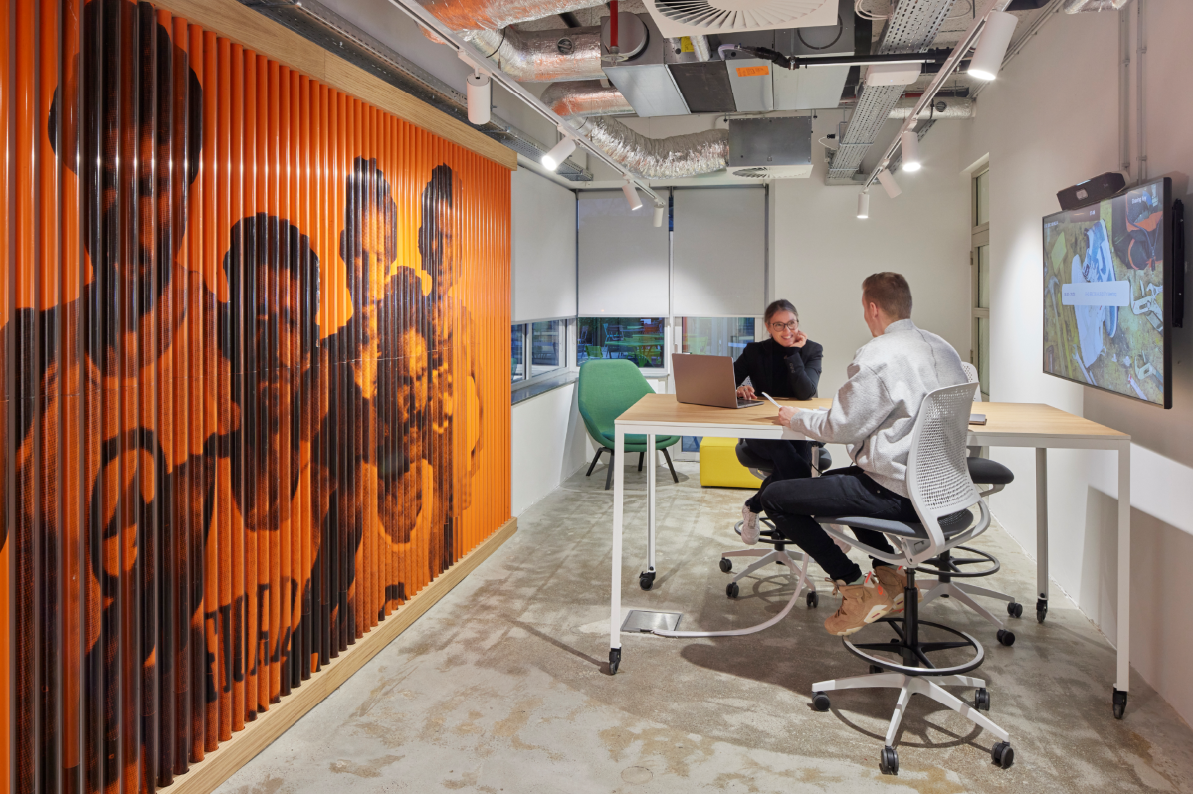
Colour is never just decorative. In a workplace, it quietly influences how people think, feel, and perform every day. At Inhouse Design Studio, we treat colour as a strategic design tool, one that supports productivity, enhances wellbeing, and reflects acompany’s identity. Working with corporate clients across finance, healthcare, insurance, and retail in Cape Town, we’ve seen how the right colour choices can transform not only a space, but the way people work within it.
Why Colour Matters in the Workplace
An office environment should do more than look good, it should support human behaviour. Research consistently shows thatcolour impacts mood, energy levels, concentration, and even stress. When designing or refurbishing a workspace, we always ask: What kind of work happens here? How do employees need to feel in this space? What message should this environment communicate to clients? The answers guide every colour decision we make.
Designing for Focus: Calm, Clarity, and Concentration
In industries such as finance and insurance, focus and accuracy are non-negotiable. Overstimulating colours can become adistraction, especially in high-pressure environments.
Best colours for focus include:
- Blues: Encourage calm, concentration, and trust
- Soft greys and neutrals: Create balance and visual clarity
- Muted greens: Reduce eye strain and promote mental ease
In Cape Town offices with abundant natural light, these tones work particularly well, allowing spaces to feel open and grounded without feeling cold.
Designing for Creativity: Energy and Inspiration
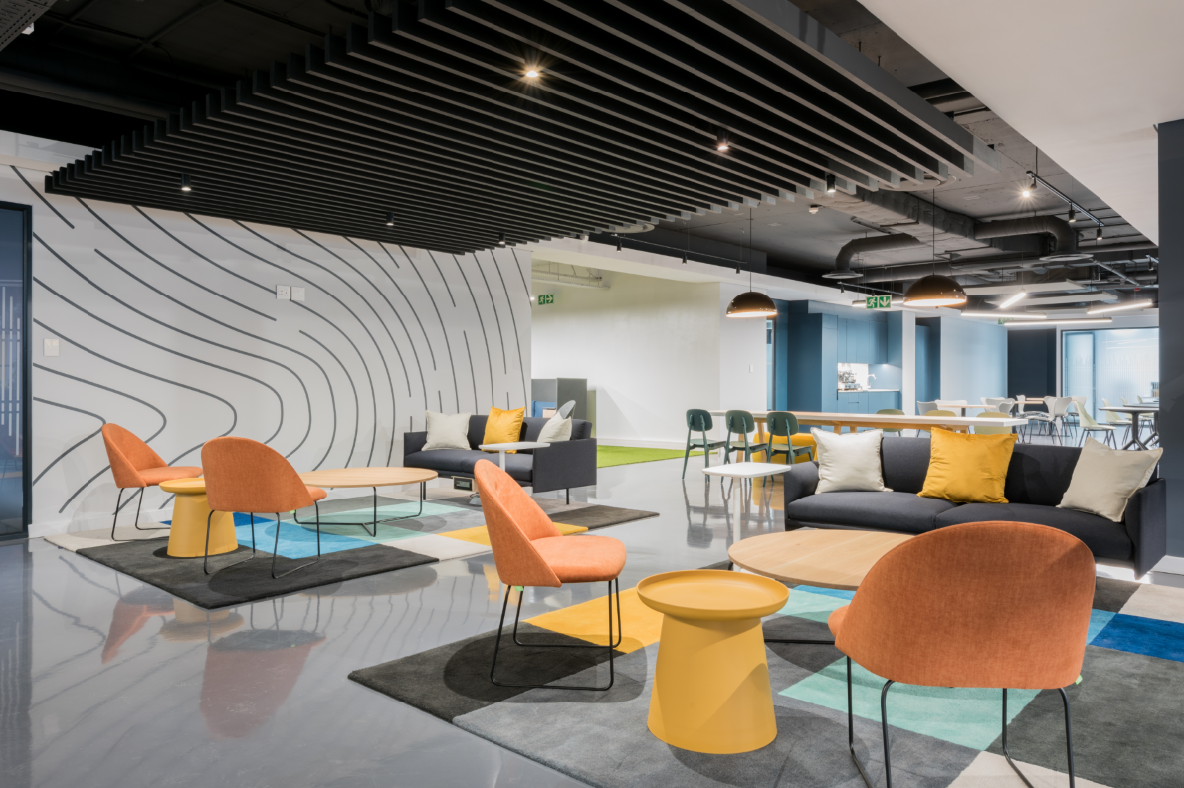
In healthcare environments, colour choices must balance emotional comfort with clinical functionality. Colours that support wellbeing include greens (associated with healing and balance), soft blues (reduce stress and anxiety), and warm neutrals (create a sense of safety and reassurance). We often draw inspiration from nature, aligning interior palettes with the surrounding Cape Town landscape.
Colour and Brand Identity: Telling Your Story
“Your office is a physical extension of your brand. Colour helps communicate who you are before a word is spoken.”
For corporate clients, we translate brand guidelines into functional interiors, using colour to reinforce values like trust, innovation, stability, or approachability. This is especially powerful in client-facing areas such as reception spaces, boardrooms, and meeting rooms
FAQ:
Q: What colours are best for a productive office?
A: Blues and soft greys are consistently the most effective colours for focus-driven work environments. They reduce visual noise, promote calm, and have been shown to support concentration. Muted greens are also excellent for reducing eye strain in screen-heavy environments.
Q: Can colour in an office really affect employee performance?
A: Yes. Research in environmental psychology shows that colour directly influences mood, energy levels, and cognitive performance. Overstimulating colours in focus zones increase stress, while well-chosen palettes in collaborative areas can improve communication and creative output.
Q: How does Inhouse approach colour selection for a new office?
A: We begin by understanding the nature of the work, the culture of the organisation, and the brand identity. Colour decisions are made in the context of the full spatial design, including lighting, materials, and furniture, rather than in isolation.
Q: Should office colour schemes follow brand guidelines?
A: Brand colours should inform the palette, but they should not dictate it entirely. A brand colour that works on a logo may be overwhelming at wall scale. We translate brand identity into spatial colour in a way that is functional and liveable.
Tags: Colour Psychology · Office Design · Workplace Wellbeing · Cape Town · Corporate Interiors